When to Call a Heating Repair Service Near Me
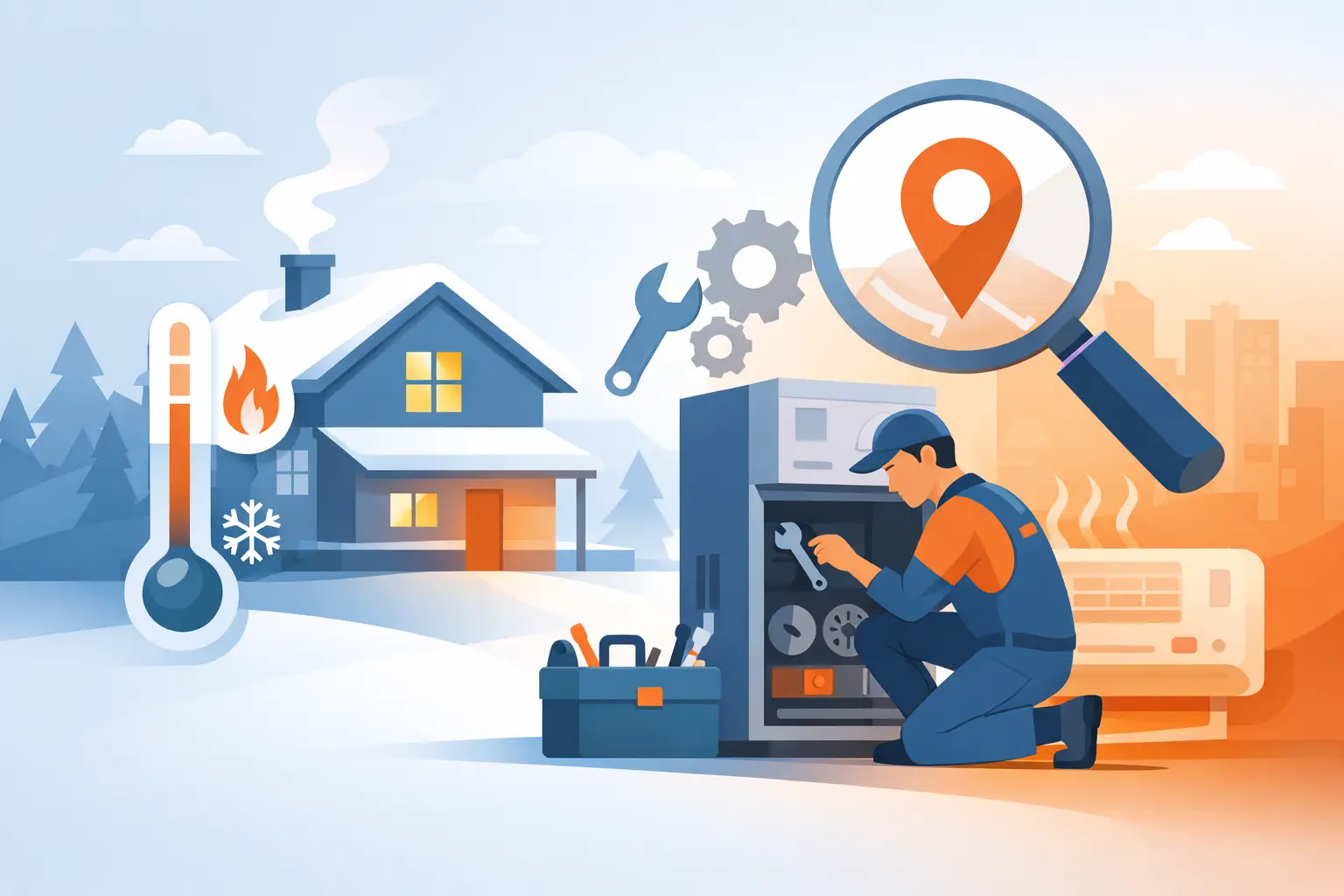
A search for a heating repair service near me usually starts when your home is colder than it should be, the furnace will not turn on, or an unfamiliar sound has made you wonder whether it is safe to keep running. In Tempe and across Maricopa County, heating problems may not get the attention they do in colder climates, but a failed system can still make a chilly desert night uncomfortable and put added strain on equipment that is already aging.
The right response depends on what your system is doing. Some issues can wait for a regular appointment. Others call for prompt professional service, especially when there is a safety concern, no heat at all, or a problem affecting tenants, customers, or vulnerable family members. Knowing the difference helps you protect your property and avoid turning a manageable repair into a larger expense.
Signs You Need Heating Repair Now
A heating system does not need to stop completely before it needs attention. In many cases, it gives warning signs well before a full breakdown. If your furnace or heat pump is cycling on and off repeatedly, heating rooms unevenly, or taking much longer than usual to reach the thermostat setting, something is not operating as it should.
Strange noises deserve attention as well. A brief sound when the system starts can be normal, but persistent banging, grinding, squealing, rattling, or scraping is not. These sounds may point to a loose component, worn motor part, blower issue, or another mechanical problem that can worsen if ignored.
Pay attention to the air coming from your vents. Weak airflow can come from a dirty filter, blocked return, duct issue, or failing blower. Cool air when the thermostat is set to heat may indicate an ignition problem, heat pump concern, thermostat malfunction, or another fault that needs proper diagnosis. A system that runs but never seems to satisfy the thermostat should also be checked rather than left to work overtime.
For gas furnaces, treat certain signs as urgent. A burning smell that does not fade after the first seasonal use, soot around the unit, a yellow or flickering burner flame, or a carbon monoxide alarm should never be dismissed. Leave the area if you suspect a gas leak or carbon monoxide issue, call emergency services or your gas utility as appropriate, and do not operate the equipment until it has been inspected.
Before Calling a Heating Repair Service Near Me
A few quick checks can rule out simple problems and give the technician useful information. Start with the thermostat. Confirm it is set to Heat, the temperature setting is above the current room temperature, and the batteries are working if it uses them. It is easy for a thermostat to be switched to Cool, Fan, or a programmed schedule without anyone noticing.
Next, check the air filter. A heavily clogged filter restricts airflow and can cause a furnace to overheat and shut down or cause a heat pump to work harder than necessary. Replacing a disposable filter is basic maintenance, but it is not a cure for every heating problem. If the system still fails after a clean filter is installed, further troubleshooting is needed.
Check your electrical panel for a tripped breaker and make sure the HVAC disconnect has not been turned off. If you have a gas furnace, verify that the gas supply valve has not been closed. Do not repeatedly reset breakers, bypass safety switches, or remove access panels to investigate internal parts. Those actions can create a safety risk and may cause more damage.
It also helps to note what happened before the problem began. Did the system fail after a power outage? Is the problem limited to one room? Does it occur only at night or whenever the system starts? Those details can shorten the diagnostic process and help a qualified technician focus on the right components.
What a Professional Heating Repair Visit Should Include
A reliable repair visit begins with diagnosis, not guesswork. A technician should listen to your description of the issue, inspect the system, verify thermostat operation, and test the parts related to the reported problem. Depending on the equipment, that can include electrical connections, capacitors, motors, ignition components, safety controls, burners, airflow, refrigerant performance, and drainage.
The goal is not simply to get heat running for the moment. It is to identify why the system stopped working and determine whether any related condition could lead to another failure. For example, replacing a failed part without addressing restricted airflow, damaged wiring, or an underlying electrical issue may only postpone the next service call.
After the problem is identified, you should receive a clear explanation of the recommended repair. Ask what failed, what repair is proposed, whether the part is available, and whether the technician sees signs of other near-term concerns. A straightforward answer helps you decide whether repair is the practical choice or whether the system's age and condition justify discussing replacement.
For homeowners, landlords, and small business operators, documentation matters. Keeping records of service dates, repairs, and maintenance can help you track recurring issues, support warranty questions, and plan for eventual equipment replacement instead of being caught off guard by it.
Repair or Replace? The Answer Depends on the System
There is no single age at which every heating system should be replaced. A well-maintained unit with a straightforward repair may have useful service life remaining. On the other hand, an older system that needs frequent repairs, has major component failures, or has become inefficient may cost more to keep than it is worth.
Consider the repair in context. A minor electrical or ignition repair is very different from a major compressor issue on a heat pump or a cracked heat exchanger in a furnace. System condition, repair history, comfort performance, energy use, and the availability of replacement parts all matter. For rental properties and commercial spaces, the cost of downtime and tenant disruption should be part of the decision, too.
Arizona's climate adds another factor. Many local heat pump systems handle both heating and cooling, which means the same equipment is used throughout much of the year. A system that is marginal during winter may be at greater risk of failing when summer demand arrives. Addressing persistent problems early can protect your cooling readiness as well as your heat.
Why Local Experience Matters in Maricopa County
Local HVAC service is about more than proximity on a map. Equipment in the Tempe area deals with intense summer heat, dust, long cooling seasons, and periods of lighter heating use. Those conditions affect filters, coils, electrical components, airflow, and the service needs of heat pumps and packaged units.
A contractor familiar with Maricopa County properties understands that a heating concern can also be part of a year-round comfort issue. They can look beyond the immediate no-heat call and identify maintenance needs that may affect air conditioning reliability later in the year. That is especially valuable for property managers responsible for multiple units and business owners who cannot afford avoidable disruptions.
SMW Refrigeration & Heating has served local customers since 1964 with licensed, bonded, and insured HVAC service for residential and light commercial properties. Long-standing local service matters when you need responsive repair support and practical advice based on the condition of your actual system, not a one-size-fits-all recommendation.
Preventing the Next Heating Breakdown
The best time to find a heating issue is before you need the system on a cold evening. Regular maintenance gives a technician the opportunity to inspect operating conditions, clean components as needed, check electrical connections, confirm safe operation, and spot wear before it causes a shutdown.
Between professional visits, replace filters on the schedule appropriate for your filter type, household, pets, and dust conditions. Keep outdoor equipment clear of debris, avoid blocking supply and return vents, and do not ignore small changes in noise, airflow, or cycling. These simple habits cannot prevent every failure, but they reduce unnecessary strain.
If your heater is acting differently than it did last season, schedule service while you still have options. A prompt inspection can restore comfort, protect your equipment, and give you a clearer plan before a minor concern becomes an after-hours emergency.
Need HVAC Service?
Call SMW Refrigeration & Heating for expert service throughout Maricopa County.
Call (602) 992-1930Related service
Furnace repair & heating service in Tempe →