AC Replacement Tempe Homeowners Can Plan For
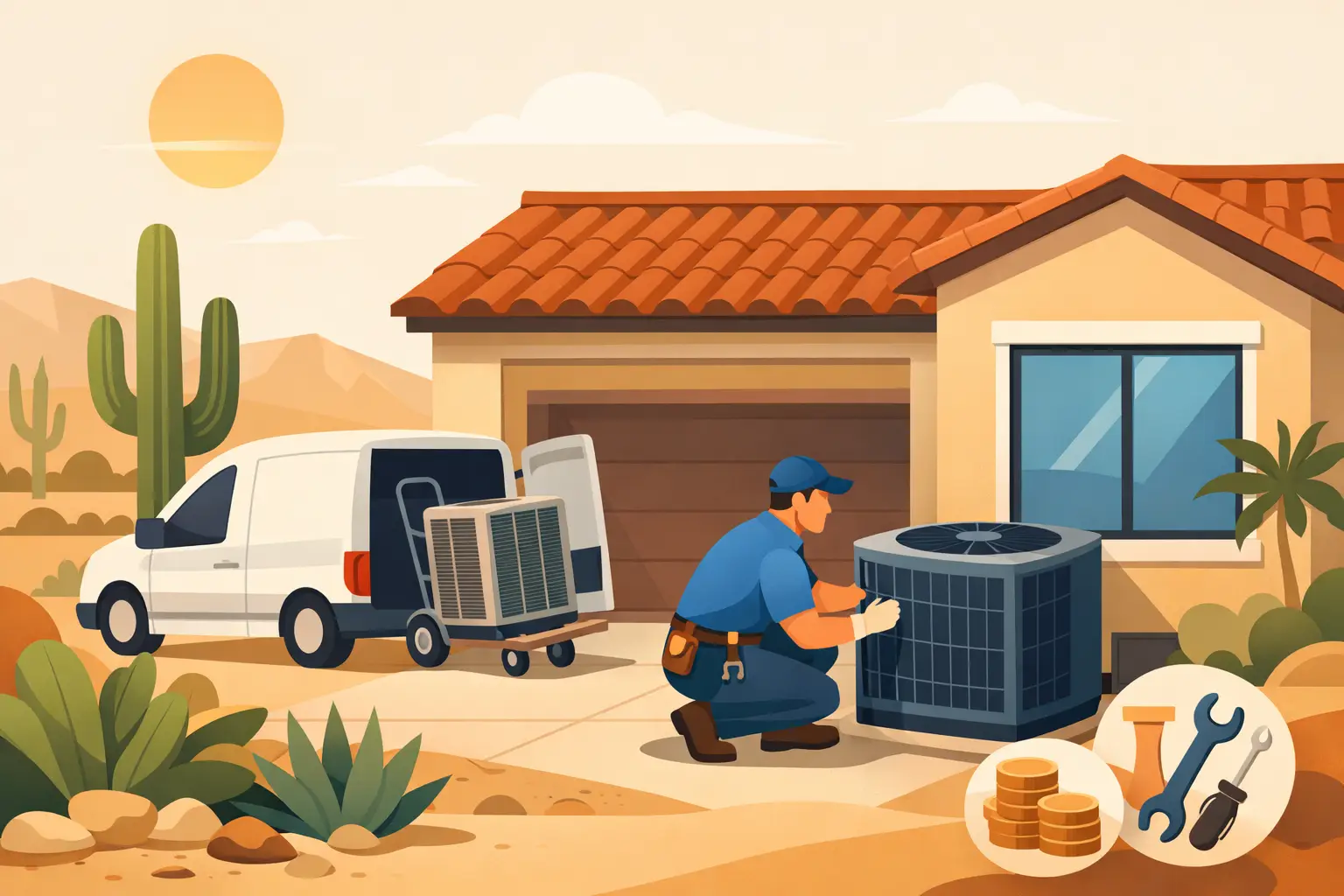
A Tempe air conditioner rarely chooses a convenient time to fail. It may limp through part of the summer with weak airflow, high electric bills, or rooms that never quite cool down, then stop during a stretch of triple-digit heat. When you are searching for ac replacement tempe, the decision is not just about buying new equipment. It is about choosing a system that can handle Arizona conditions, fits the property correctly, and is installed by a contractor who will stand behind the work.
A replacement is a significant investment, but waiting too long can mean repeated repair bills, uncomfortable occupants, and an emergency decision made under pressure. Knowing the signs, the process, and the questions to ask can help homeowners, landlords, and small business owners make a sound choice.
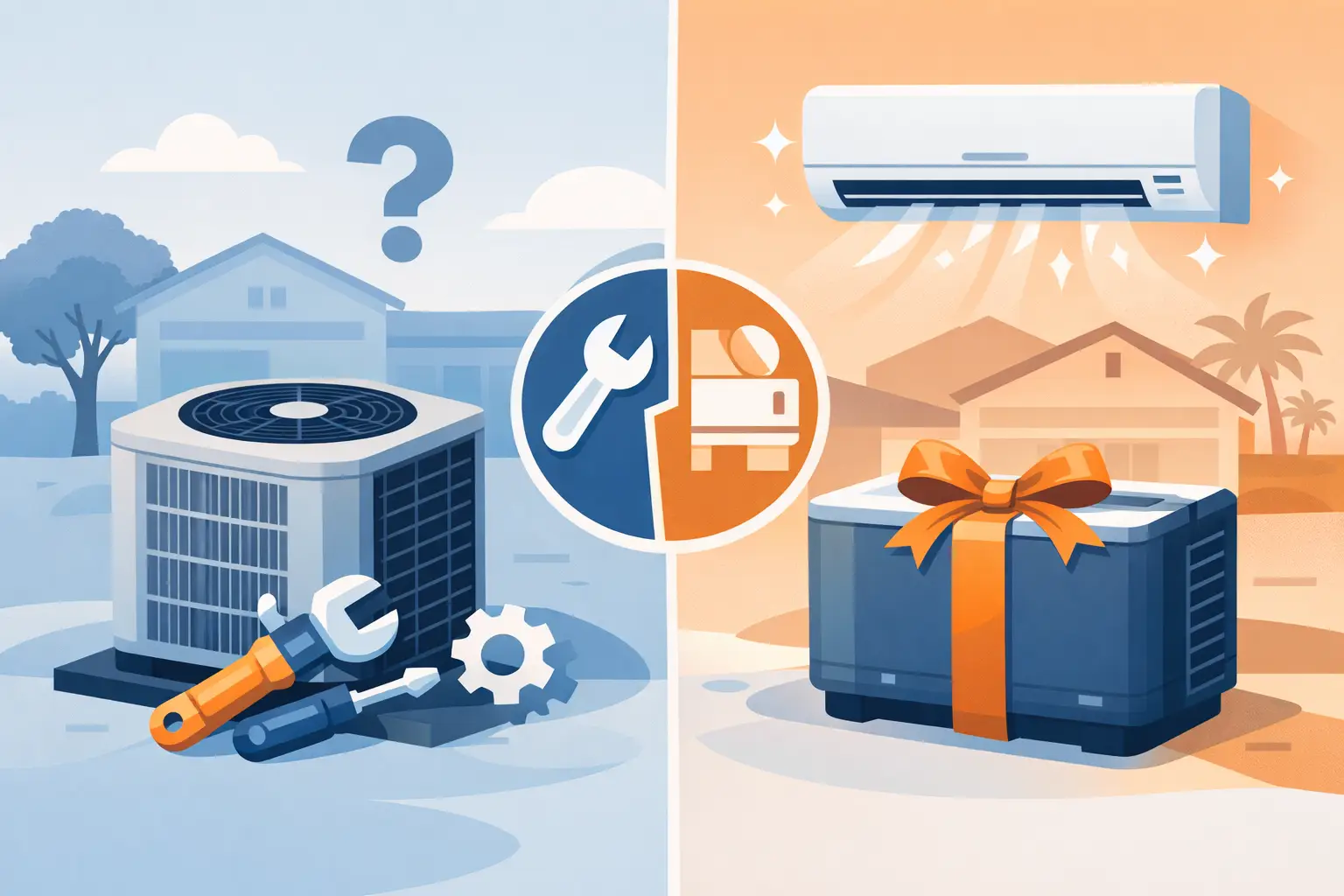
When AC Replacement Makes More Sense Than Repair
Not every cooling problem calls for a new system. A worn capacitor, clogged drain line, failed contactor, or refrigerant issue can often be repaired at a reasonable cost. If the system is otherwise in good condition, a targeted repair may be the practical answer.
Replacement becomes more likely when the equipment is 12 to 15 years old, needs frequent service, or uses an older refrigerant that is becoming harder and more expensive to obtain. Arizona heat puts long hours on compressors and other major components. An older unit that has survived many hard cooling seasons may still run, but it may no longer run efficiently or reliably.
Pay attention to the pattern, not just one repair call. If you are repairing the same system every summer, dealing with uneven cooling, or watching utility costs climb without a clear explanation, it is worth getting a replacement assessment. A major component failure, such as a compressor or evaporator coil, can also shift the math toward replacement, especially on an aging unit.
For rental properties and small commercial spaces, reliability has an added value. A failed system can lead to tenant complaints, lost work time, or an uncomfortable customer environment. Replacing an unreliable unit before peak summer can be easier to schedule and less disruptive than waiting for a complete breakdown.
What a Proper AC Replacement Assessment Should Include
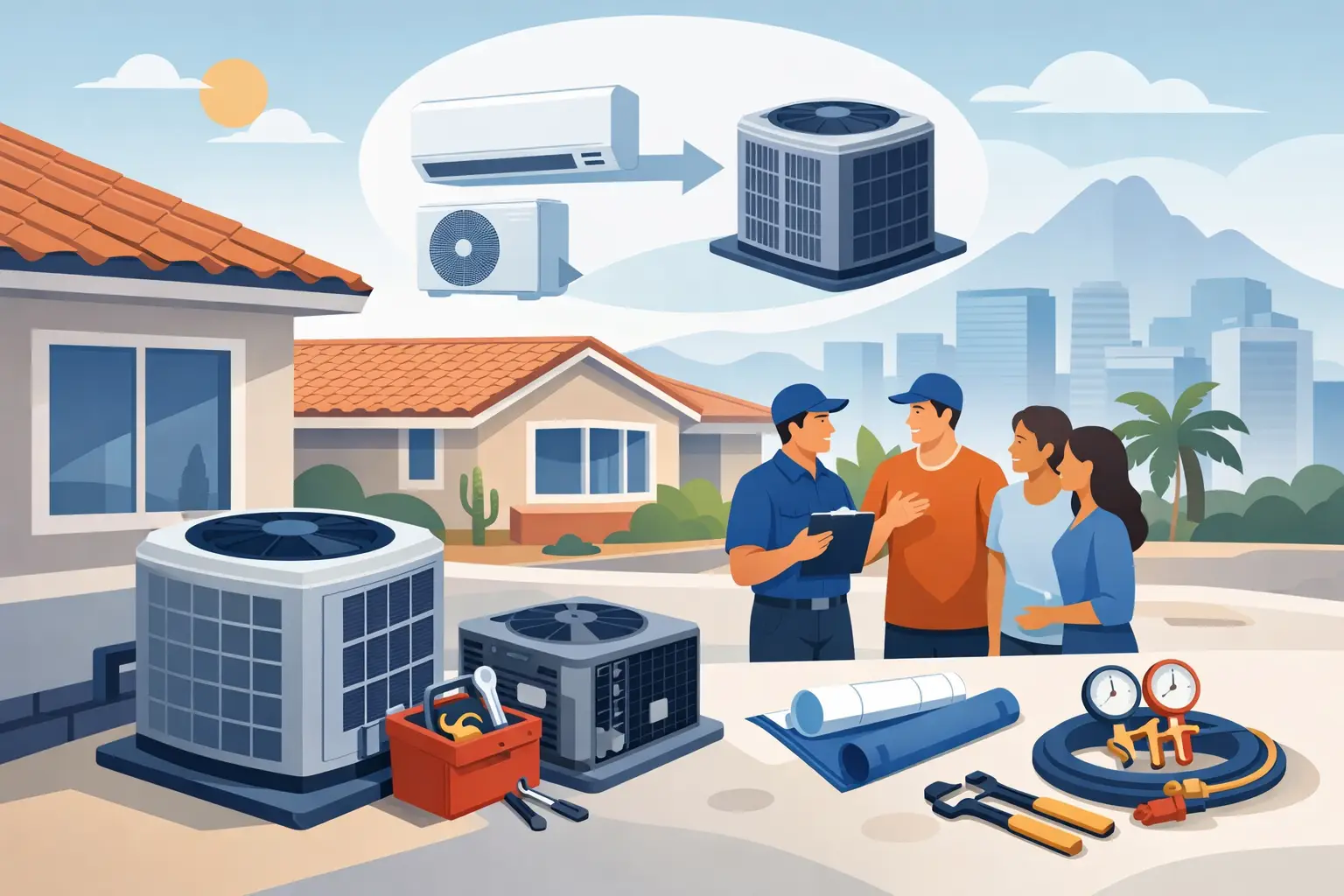
A reliable replacement recommendation should not be based only on the size of the existing unit. The old system may have been oversized, undersized, or installed before changes were made to the building. A home addition, new windows, added insulation, roof repairs, or changes in occupancy can all affect cooling needs.
A technician should consider the square footage, ceiling height, insulation, window exposure, duct condition, number of occupants, and heat-producing equipment in the space. In Tempe, sun exposure and west-facing windows can make a noticeable difference in afternoon comfort. Proper load calculations help identify the capacity needed rather than relying on a guess.
Ductwork deserves close attention as well. Even an efficient new air conditioner cannot perform as intended if conditioned air is escaping into an attic or if return air is restricted. Leaky, poorly designed, or undersized ducts can create hot rooms, excess humidity, high operating costs, and unnecessary strain on the new equipment.
The assessment should also cover the electrical connection, thermostat compatibility, condensate drainage, equipment location, and available clearances. These details affect safety, performance, and whether the installation meets local requirements.
Right-Sizing Matters in Tempe
Many property owners assume bigger equipment will cool faster and provide better comfort. In practice, an oversized air conditioner can create its own problems. It may cool the thermostat area quickly, cycle on and off too often, and fail to provide consistent comfort across the home or building. Frequent cycling also increases wear on components.
An undersized unit has the opposite issue. It may run for long periods during the hottest part of the day without reaching the set temperature. Some runtime is normal during an Arizona summer, but a system that consistently cannot keep up needs evaluation.
The right capacity depends on the property, not a simple rule of thumb. Equipment selection should balance cooling output, airflow, duct performance, and efficiency. That is why a detailed site visit is more valuable than a quick quote based on a phone conversation alone.
Efficiency Is More Than a Rating Number
Higher-efficiency systems can lower energy use, but the best choice depends on your budget, how long you expect to own the property, and how heavily the system runs. In Tempe, where cooling is a major part of household and business energy use, efficiency can have a meaningful impact over the life of the equipment.
Still, the highest available rating is not automatically the right answer for every property. A mid-range system that is sized correctly and installed well may be a better fit than a premium model that stretches the budget too far. Ask for clear options that explain the expected benefits, warranty coverage, and trade-offs of each system.
Variable-speed and two-stage equipment can offer more even temperature control and quieter operation. They can be especially helpful in homes with uneven temperatures or long daily cooling demands. However, these systems may cost more upfront and can involve more advanced controls and service considerations. A dependable contractor should explain those differences plainly.
Costs to Consider Before You Commit
The installed price of an AC replacement is influenced by more than the outdoor unit. The system type, capacity, efficiency level, indoor equipment, duct modifications, electrical work, thermostat, accessibility, and permit requirements can all affect the final cost.
A complete written estimate should identify what equipment is included and what work will be performed. It should also make clear whether the proposal includes removal of old equipment, new refrigerant line components when needed, start-up testing, and permit-related work. If a price seems unusually low, ask what may be excluded.
It is also reasonable to compare the immediate replacement cost with the likely cost of keeping an older system running. Consider recent repairs, projected energy use, the chance of another major failure, and the inconvenience of an emergency replacement. There is no single formula that fits every property, but a clear comparison makes the decision less stressful.
Timing Your AC Replacement in Tempe
The best time to replace a working but aging air conditioner is usually before it becomes an emergency. Spring and fall can offer more scheduling flexibility than the middle of summer, when demand is at its highest. Planning ahead also gives you time to compare equipment options and address ductwork or electrical concerns without rushing.
That said, a failed AC in July cannot always wait. A qualified local HVAC company should be prepared to assess urgent situations, explain available options, and help restore cooling as quickly as conditions allow. For some owners, a repair that gets the system operating safely may provide time to plan a replacement. For others, replacement is the more practical immediate step.
SMW Refrigeration & Heating has served local property owners since 1964 with repair, replacement, and maintenance support, including 24/7 service for urgent cooling problems. Licensed, bonded, and insured service matters when a major system decision affects your home, tenants, or business.
Questions to Ask Before Approving an Installation
Before choosing a contractor for AC replacement in Tempe, ask how the system size was determined and whether the ductwork was evaluated. Ask what efficiency options are available, what warranties apply to equipment and labor, and whether permits will be handled where required.
You should also ask what happens on installation day. A professional crew should protect the work area, remove the old equipment, install the new components properly, verify refrigerant charge and airflow, test operation, and review the thermostat with you. The work should not end when the equipment turns on. Proper commissioning is what confirms the system is operating as intended.
After installation, keep up with filter changes and seasonal maintenance. A new system still needs regular attention to protect efficiency, catch small issues early, and support its expected service life. For landlords and commercial property managers, establishing a maintenance plan can also reduce surprise downtime across multiple units.
If your current AC is showing its age, schedule an assessment before the next heat wave forces the issue. A clear evaluation now can give you more control over the cost, timing, and comfort of the replacement decision.
Need HVAC Service?
Call SMW Refrigeration & Heating for expert service throughout Maricopa County.
Call (602) 992-1930Related service
HVAC replacement & system pricing →