Heat Pump vs Furnace: Best Choice for Arizona?
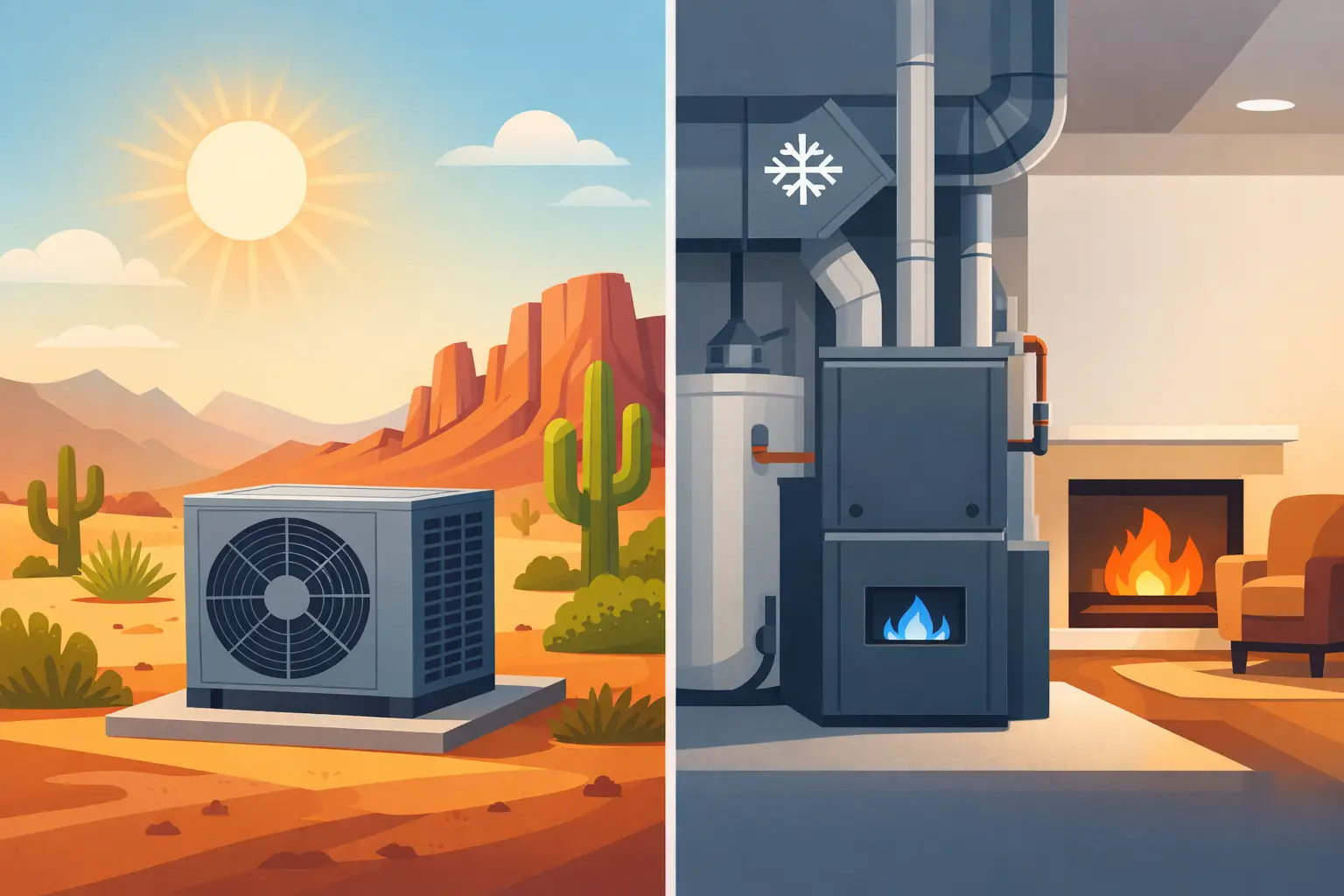
A heat pump vs furnace decision looks different in Tempe than it does in a cold-weather state. Maricopa County homes need dependable heat on chilly desert nights, but air conditioning carries the heavier workload for much of the year. That makes the right choice less about buying the strongest heater and more about selecting a system that handles Arizona’s long cooling season efficiently and reliably.
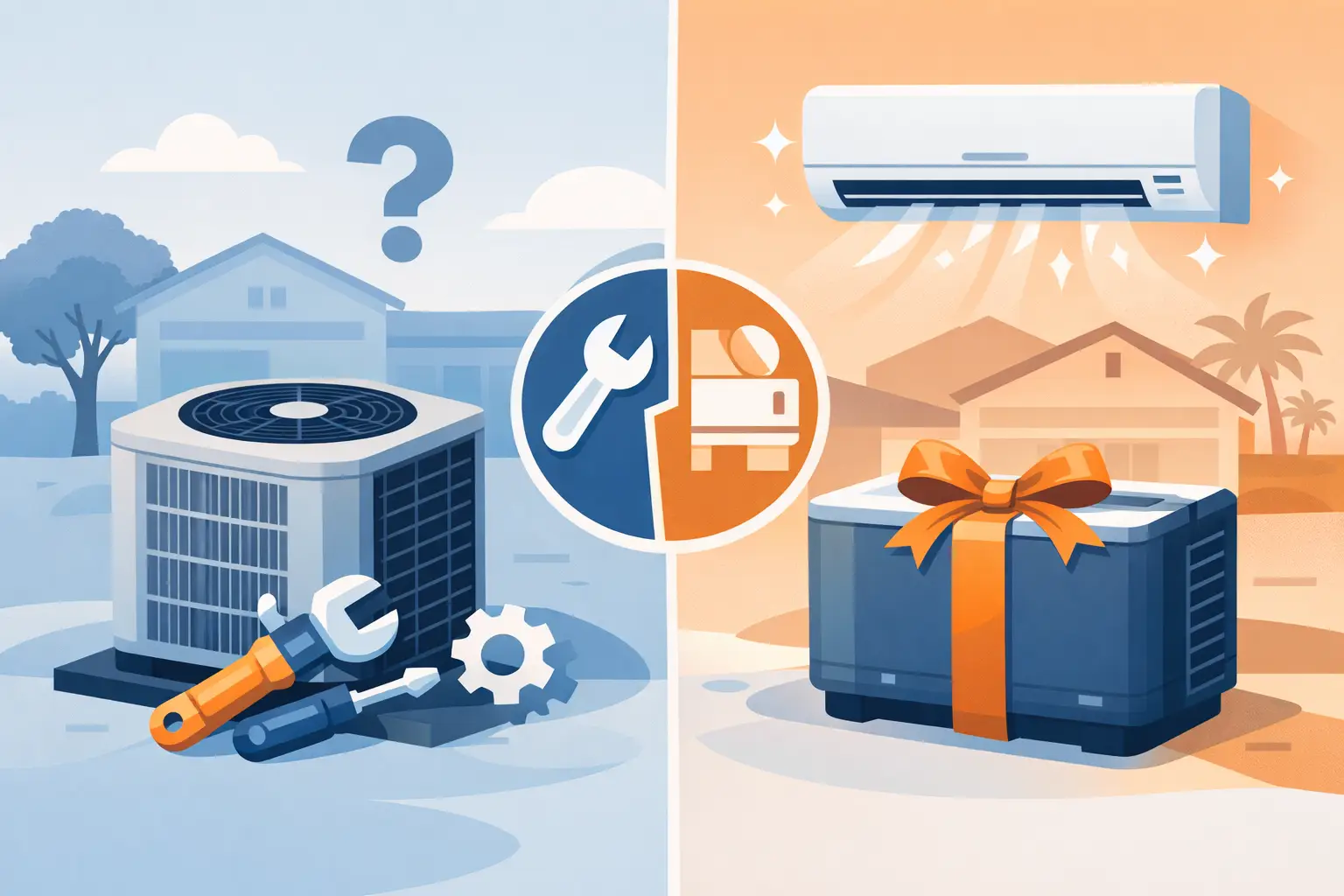
For many local homeowners, a heat pump is the practical all-in-one option. A furnace can still be the right fit in certain situations, especially when it is paired with an existing central air conditioner or when a property has specific fuel and comfort needs. The best answer depends on your current equipment, ductwork, budget, and how the home is used.
Heat Pump vs Furnace: The Basic Difference
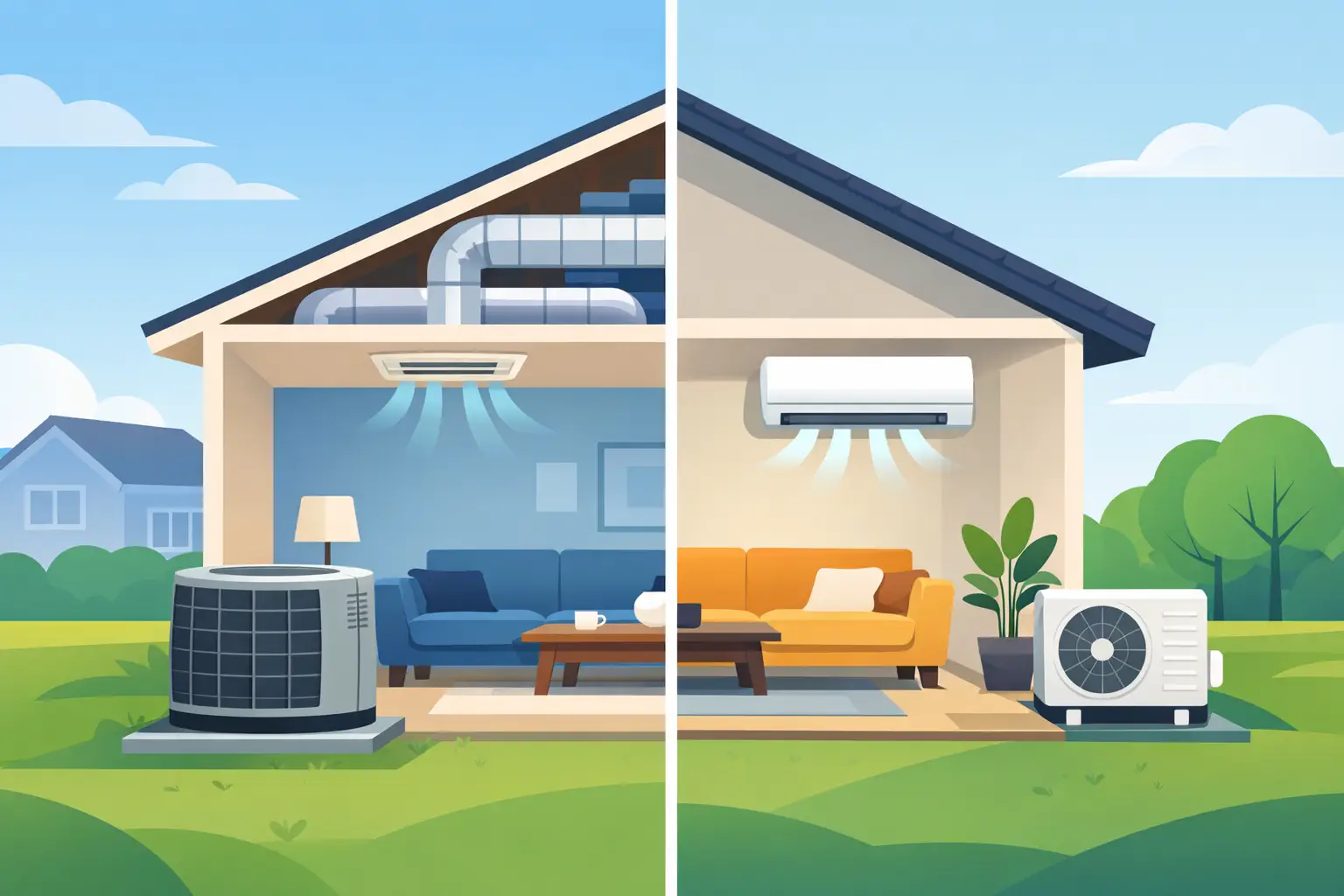
A furnace creates heat. Gas furnaces burn natural gas, while electric furnaces use electric resistance heating. The furnace then sends warmed air through the home’s ductwork. It operates only during the heating season, so a separate air conditioner is needed for cooling.
A heat pump moves heat rather than creating it through combustion. In heating mode, it draws available heat from outdoor air and transfers it indoors. In cooling mode, it reverses the process, removing heat from the house just like a central air conditioner. One outdoor unit and indoor air handler can provide both heating and cooling.
That distinction matters in Arizona. Even when winter temperatures feel cold to local residents, they are often mild enough for a modern heat pump to operate efficiently. A heat pump is also used all summer as the home’s air conditioner, making its condition especially important in Tempe’s extreme heat.
Why Heat Pumps Often Make Sense in Tempe
A heat pump is particularly well suited to mild winter climates. It does not need to fight months of below-freezing weather, as it would in many northern locations. That generally allows it to deliver efficient, even heat during the periods Arizona homes need it.
The larger advantage is that it combines two major systems into one. Instead of maintaining a furnace and a separate AC condenser, homeowners have a single heating and cooling system. This can simplify replacement planning and help reduce the amount of equipment that needs service over time.
Electric operation is another consideration. A heat pump does not rely on a gas line or produce combustion gases inside the home. For homeowners moving away from natural gas, this can make a heat pump an appealing choice.
Still, efficiency on paper is not the whole story. Proper sizing, duct condition, thermostat setup, insulation, and installation quality all affect performance. An oversized heat pump can short-cycle, which may reduce comfort and add wear. An undersized system may run too long during peak summer heat. A professional load calculation is a better starting point than selecting equipment based only on the size of the old system.
Heat Pump Advantages
A properly selected heat pump provides cooling and heating from one system, performs well in Arizona’s climate, and can offer lower heating energy use than electric resistance heat. It also delivers steady, gentle warmth rather than the very hot bursts of air some homeowners associate with a gas furnace.
For rental homes and small commercial spaces, the all-electric setup can also be easier to standardize across properties. That said, owners should weigh replacement cost against the expected condition of their existing air conditioning equipment.
Potential Heat Pump Drawbacks
Heat pumps have to work through the long Arizona cooling season. When the outdoor unit fails in July or August, both cooling comfort and future winter heating are affected. Preventive maintenance is not optional if you want to protect the system during high-demand months.
Heat pumps can also use supplemental electric heat during unusually cold conditions. Those occasional colder mornings may raise operating costs, although this is typically less of a concern in Tempe than in colder climates. Homeowners who prefer very hot supply air may find a gas furnace feels warmer when it first starts, even if the heat pump maintains the set temperature well.
When a Furnace Is the Better Choice
A furnace can be a sound choice when a home already has a separate, newer central air conditioner that is still in good condition. Replacing only an aging furnace may cost less upfront than replacing the full heating and cooling system with a new heat pump.
Gas furnaces are known for producing strong, fast heat. For households that like a warmer air feel from their vents, that characteristic can be a genuine comfort preference. A gas furnace may also be suitable for homes with existing gas service and owners who want to retain a traditional split system with separate furnace and AC components.
The trade-off is that the furnace does nothing for cooling. In a climate where AC is essential, the central air conditioner remains a separate piece of equipment to maintain and eventually replace. Gas furnaces also require safe venting, combustion checks, and inspections of burners, heat exchangers, and gas connections.
An electric furnace is usually less attractive as a primary option in Arizona when compared with a heat pump. Both use electricity, but electric resistance heat generally uses more energy to provide the same amount of warmth. There are exceptions, such as certain existing setups or short-term replacement needs, but a heat pump is often worth evaluating first.
Installation Cost and Long-Term Value
Upfront price matters, but it should not be the only number in the decision. Replacing a furnace alone may be the least expensive immediate option if the AC system is newer and compatible. Replacing an aging furnace and aging air conditioner at the same time may make a heat pump more compelling because it consolidates the project into one matched system.
A matched heating and cooling system is designed to operate together. It can improve efficiency, performance, and warranty compliance compared with mixing equipment that was not intended to work as a pair. It also gives the installer an opportunity to inspect ductwork, refrigerant lines, electrical capacity, drainage, and airflow before new equipment is installed.
Energy savings vary by home and utility rates. A heat pump may reduce winter electric use compared with an electric furnace, while a gas furnace’s operating cost depends on natural gas pricing and system efficiency. Ask for a comparison that considers the age and efficiency of your current equipment, not just the purchase price of a new unit.
Comfort, Maintenance, and Reliability
Neither system should be selected without considering maintenance. A furnace needs seasonal heating service, including safety checks for gas-fired equipment. A heat pump needs service for both heating and cooling functions, with particular attention to refrigerant performance, electrical components, coils, filters, and condensate drainage.
For Arizona homeowners, the cooling side of a heat pump deserves the same attention as any central AC system. Dirty coils, clogged filters, weak capacitors, airflow restrictions, and refrigerant issues can quickly become serious during summer. Addressing small concerns before peak heat helps avoid an emergency repair when the system is under its greatest strain.
Both types of systems depend on ductwork that is properly sealed and balanced. Leaky ducts in an attic can waste conditioned air and make rooms feel uneven. Before replacing equipment, it is worth identifying whether comfort problems are caused by the heater or by airflow, insulation, thermostat placement, or duct issues.
How to Choose for Your Property
Start by looking at the full system, not only the component that stopped working. If the furnace is failing but the AC is relatively new, a furnace replacement may be the sensible route. If both systems are older, inefficient, or needing frequent repairs, a heat pump replacement can provide a cleaner long-term plan.
Homeowners should also consider how long they expect to stay in the property, whether natural gas is already available, and whether their electrical panel can support the proposed equipment. Landlords and commercial property managers may place more weight on standardization, tenant comfort, serviceability, and avoiding unexpected downtime.
A qualified HVAC technician should inspect the existing equipment and calculate the home’s heating and cooling requirements before recommending a system. At SMW Refrigeration & Heating, that local approach matters because a system that works well in another climate may not be the best answer for a Tempe property.
The right system is the one that keeps your home cool through Arizona’s hardest summer days, provides dependable winter comfort, and fits the condition of the equipment and infrastructure you already have. A careful evaluation before replacement can prevent years of avoidable repair costs and comfort problems.
Need HVAC Service?
Call SMW Refrigeration & Heating for expert service throughout Maricopa County.
Call (602) 992-1930Related service
Furnace repair & heating service in Tempe →