New HVAC System Cost in Arizona for 2026

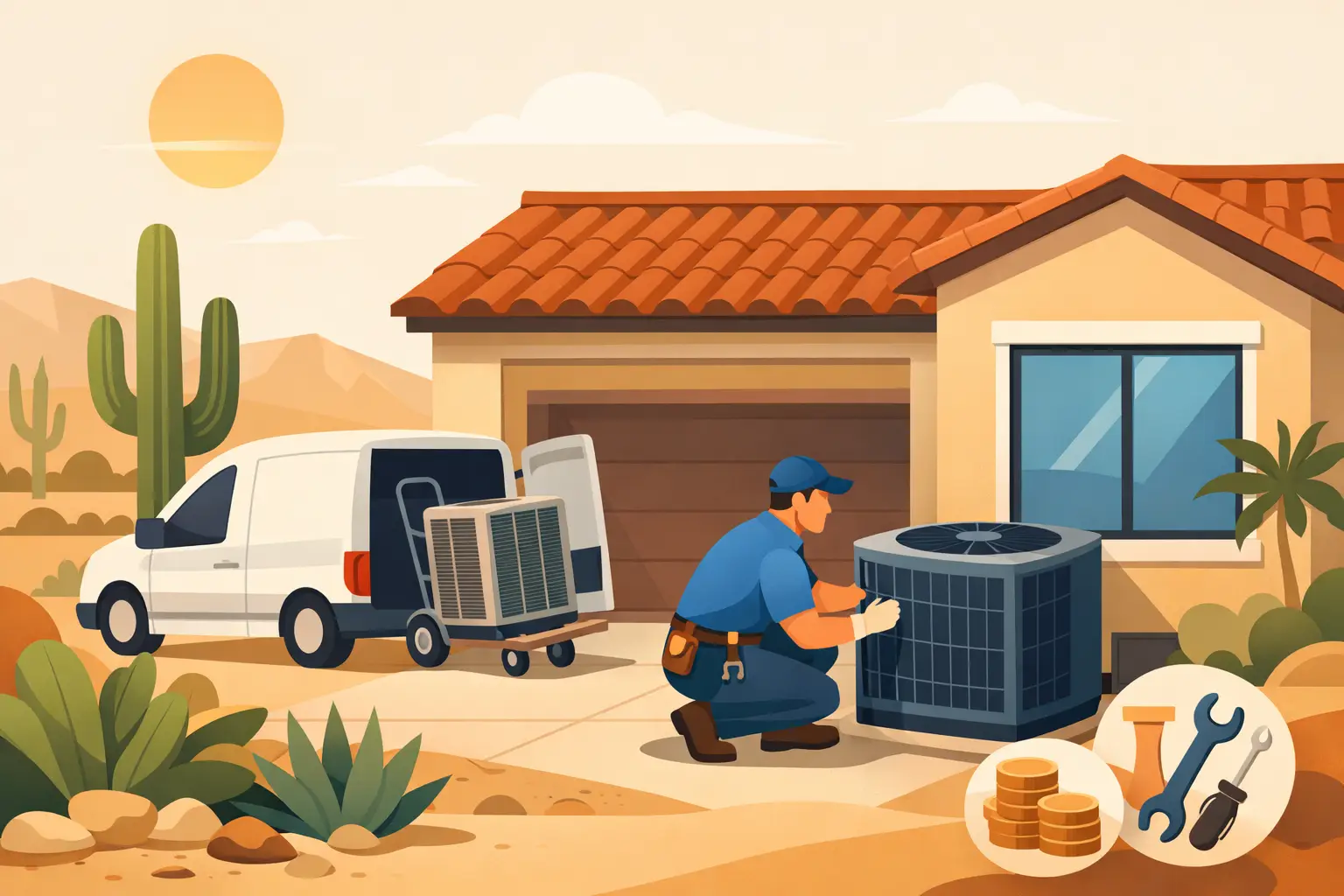
A failed air conditioner in a Tempe summer is more than an inconvenience. When homeowners search for new hvac system cost arizona, they usually need a realistic number quickly - and they need to know what that number actually includes.
For a professionally installed central HVAC replacement in Maricopa County, many homeowners can expect a project cost of roughly $8,000 to $18,000. Larger homes, premium high-efficiency equipment, extensive duct repairs, or complicated installations can push the total beyond that range. A smaller, straightforward replacement may come in lower.
The right system is not always the lowest-priced one. Arizona heat puts unusual demands on cooling equipment, so correct sizing, sound installation practices, and dependable service matter as much as the name on the equipment cabinet.
What a New HVAC System Costs in Arizona
A complete HVAC replacement generally includes the outdoor condensing unit or heat pump, the indoor air handler or furnace, refrigerant components, electrical connections, a thermostat, labor, startup, and testing. In a typical Arizona home, the installed price often depends on system capacity and efficiency level.
A basic, properly sized split-system replacement may fall in the $8,000 to $12,000 range. Mid-range equipment with stronger efficiency ratings and added comfort features commonly runs $12,000 to $16,000. High-efficiency systems, variable-capacity equipment, larger tonnage, ductwork corrections, or difficult access can bring a project to $16,000 to $25,000 or more.
These are planning ranges, not a substitute for an on-site estimate. Two homes with the same square footage can need very different systems. Insulation, window exposure, ceiling height, duct condition, household occupancy, and the amount of afternoon sun all affect the load on an air conditioner.
Why Arizona estimates can differ from other states
Cooling is the primary concern for much of the year in the Phoenix metro area. That means the system needs to perform reliably during long stretches of extreme heat, not just on a few hot afternoons. Equipment selection and installation quality have a direct effect on comfort, energy use, and equipment life.
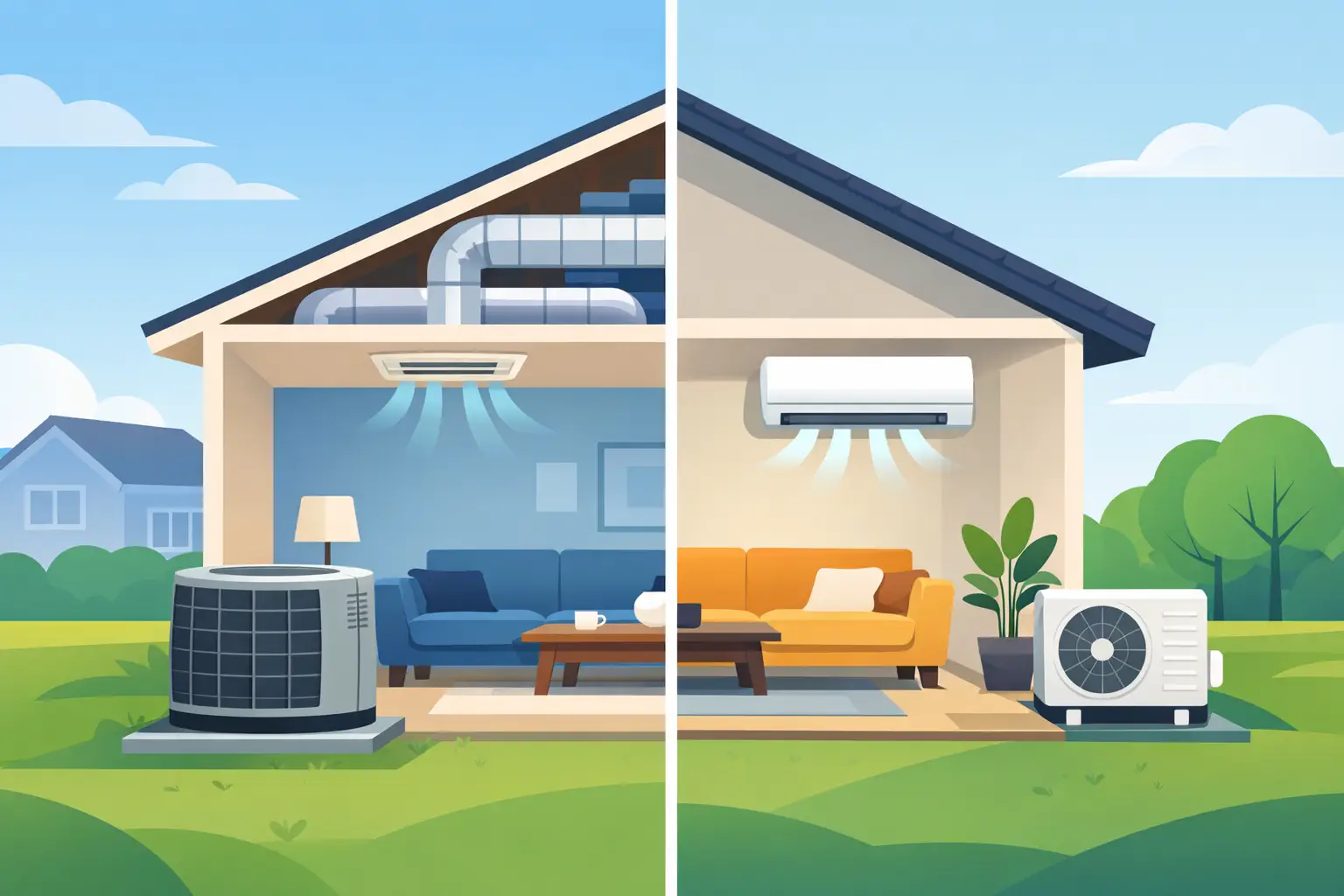
Arizona homes also commonly use heat pumps or split systems paired with air handlers, while some homes have gas furnaces. The indoor equipment type, existing electrical service, and condition of the refrigerant line set can all change the scope of work. A replacement that looks simple from the driveway may require additional work once the system is inspected.
The Main Factors Behind New HVAC System Cost in Arizona
The size of the system is one of the biggest price factors. HVAC capacity is measured in tons, and a larger home does not automatically need the largest available unit. Oversizing can cause short cycling, uneven temperatures, and unnecessary wear. Undersizing can leave the home struggling on the hottest days. A qualified contractor should evaluate the home rather than rely only on the capacity of the old unit.
Efficiency is another major consideration. Higher SEER2-rated air conditioners and heat pumps generally cost more upfront, but they can reduce electricity use over time. The savings depend on how much you run your system, your utility rates, the condition of your ductwork, and whether the equipment is installed correctly. For a homeowner who plans to stay put for years, higher efficiency can be worth serious consideration. For a rental property or a short-term ownership plan, the value calculation may look different.
Installation complexity also matters. A ground-level unit with clear access is usually more straightforward than a rooftop installation, attic-mounted air handler, or system located in a tight mechanical space. Costs can increase when technicians need to replace damaged drain lines, correct electrical issues, modify a platform, replace refrigerant lines, or bring components up to current code requirements.
Ductwork deserves special attention in Arizona. Leaky, undersized, disconnected, or poorly insulated ducts can waste cooled air before it reaches the rooms that need it. Replacing an HVAC unit without addressing major duct problems may leave a homeowner disappointed in the results. Duct repairs add to the initial project cost, but they may improve airflow, comfort, and operating efficiency.
What Should Be Included in an Installation Quote?
A clear proposal should explain what equipment is being installed and what work is included. Homeowners should be able to see the system capacity, efficiency rating, major equipment components, warranty information, and whether permit requirements apply.
It should also spell out work that is easy to overlook, such as hauling away old equipment, installing a new thermostat, replacing safety components, reconnecting electrical service, checking drainage, charging refrigerant as needed, and testing operation. If duct repairs, crane service, roof work, electrical upgrades, or asbestos-related work are possible, ask how those items would be handled and priced.
The lowest bid is not always the least expensive decision. An incomplete quote can leave out necessary work, only for those costs to appear later. Comparing like for like is the fairest way to evaluate proposals: similar equipment capacity, efficiency, scope, warranty coverage, and installation details.
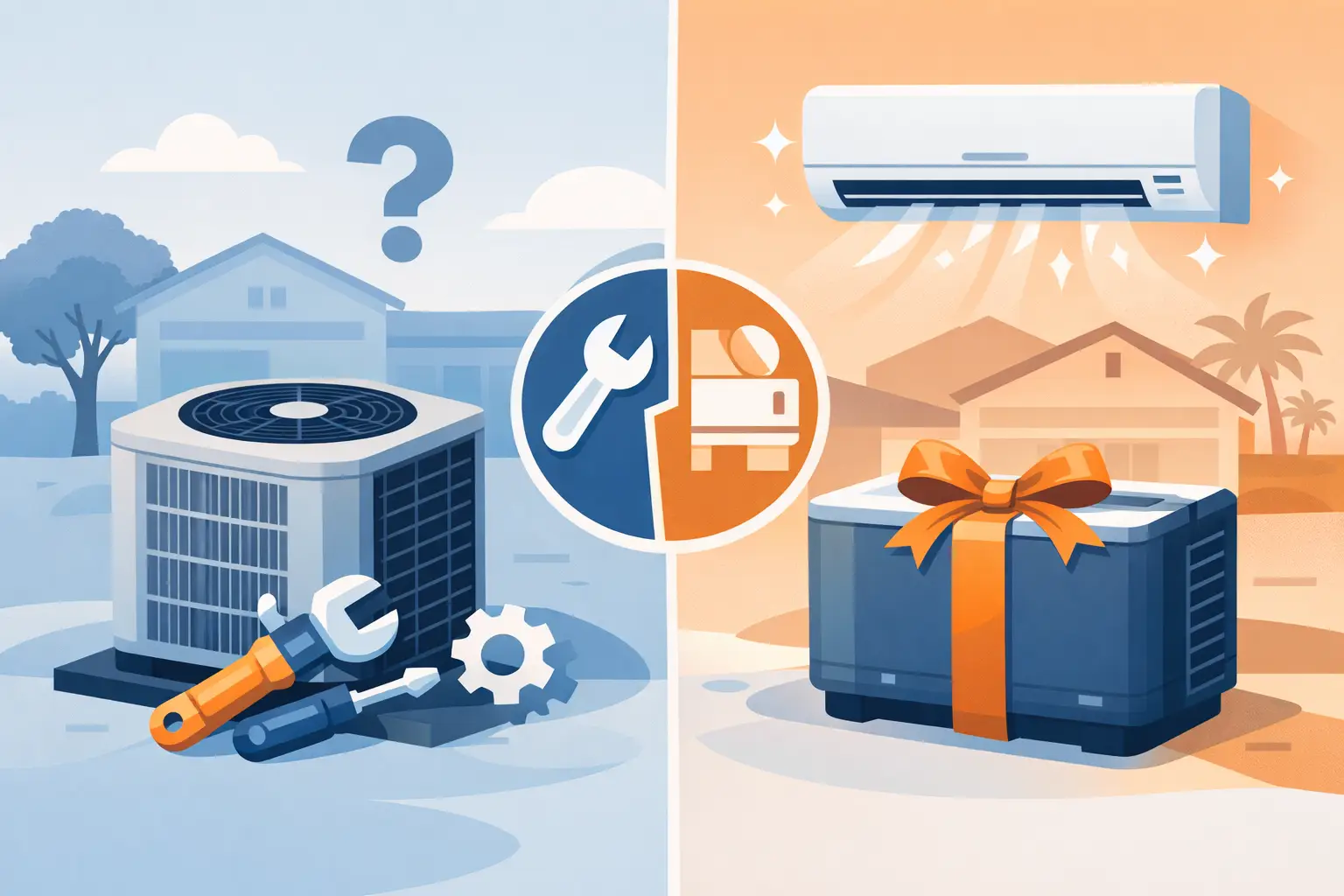
Should You Repair or Replace an Older System?
Repair is often the sensible choice when the system is relatively young, the issue is isolated, and the unit has otherwise been reliable. Replacing a capacitor, contactor, blower motor, or other serviceable component can restore operation without requiring a major investment.
Replacement becomes more practical when repair costs are climbing, the system has a history of breakdowns, cooling performance is declining, or the equipment is nearing the end of its expected service life. Many central air conditioners in Arizona face especially demanding operating conditions. Once a unit is older and requires a costly major repair, it is reasonable to compare that repair against the long-term value of new equipment and warranty coverage.
Consider more than the immediate repair bill. Ask whether the current system cools evenly, whether it runs constantly, whether energy bills have risen, and whether replacement parts are becoming difficult or expensive. A trusted technician should be willing to discuss both options rather than pressure you toward a replacement that does not make financial sense.
Choosing Equipment for Maricopa County Homes
For many local homeowners, a dependable single-stage system is a practical choice. It has a lower upfront cost and can provide reliable cooling when properly matched to the home. Two-stage and variable-capacity systems typically cost more, but they can offer steadier temperatures, quieter operation, and better humidity control during milder weather.
A heat pump can be an efficient all-electric option for Arizona's relatively mild winters. Homes with existing gas furnaces may instead use a conventional air conditioner and furnace combination. The right choice depends on the existing setup, energy preferences, comfort priorities, and budget.
Do not choose solely by a manufacturer name or advertised efficiency number. The best equipment can still underperform if airflow is poor, refrigerant charge is incorrect, drainage is neglected, or the system is sized improperly. Installation workmanship is where long-term reliability begins.
How to Plan for a Replacement Without Surprises
If your system is still running, schedule an evaluation before the hottest part of the year whenever possible. That gives you time to compare options instead of making a rushed decision during an emergency. It also allows the contractor to identify duct, electrical, or drainage concerns that could affect the final price.
Keep maintenance records and note recurring issues. If certain rooms are always warmer, mention that during the estimate. Those details can point to airflow or duct concerns that a simple equipment swap will not fix.
For Tempe and Maricopa County property owners, SMW Refrigeration & Heating brings local experience to system replacement decisions, with licensed, bonded, and insured service backed by a family-operated history dating to 1964.
A new system should give you more than a cold blast of air on startup. Ask for an estimate that explains the work, matches the equipment to your home, and gives you confidence that your cooling will hold up when Arizona heat is at its worst.
Need HVAC Service?
Call SMW Refrigeration & Heating for expert service throughout Maricopa County.
Call (602) 992-1930Related service
HVAC replacement & system pricing →