Why AC Coil Freezing Happens and What to Do
A frozen indoor coil can turn a hot Tempe afternoon into an urgent problem quickly. AC coil freezing does not mean the system is making extra cold air. It means the air conditioner is struggling to move heat properly, and continuing to run it can lead to water damage, compressor trouble, or a complete loss of cooling.
The good news is that a frozen coil usually gives clear warning signs and has identifiable causes. Some are simple airflow issues a homeowner can address safely. Others require a licensed HVAC technician to protect the system and restore proper operation.
What AC Coil Freezing Looks Like
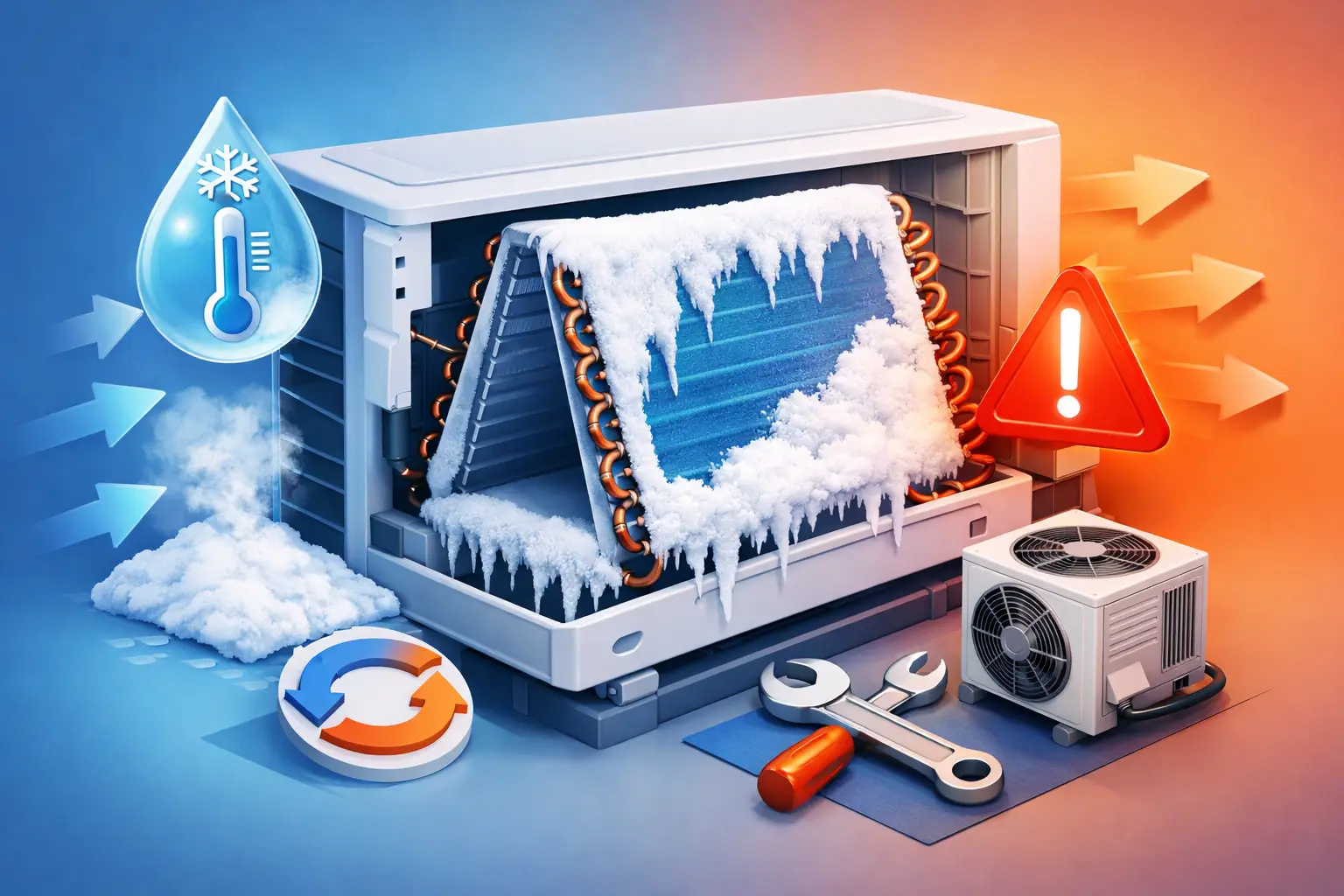
Your air conditioner’s evaporator coil sits inside the indoor portion of the system, usually near the furnace or air handler. It absorbs heat from indoor air as refrigerant moves through the coil. Under normal conditions, the coil is cold but not covered in ice.
When something disrupts airflow or refrigerant pressure, moisture in the air can freeze on the coil. Frost may begin as a thin white layer, then build into solid ice around the refrigerant lines, coil cabinet, and drain area.
You may notice weak airflow from supply vents, warm air despite a running system, ice on the insulated refrigerant line outside, unusual dripping around the indoor unit, or a thermostat that never reaches the set temperature. Do not assume the system needs more time to catch up. In Arizona heat, a healthy air conditioner should cool steadily without icing over.
What to Do When Your AC Coil Freezes
If you see ice or suspect a frozen coil, turn the cooling function off at the thermostat. Running the compressor while the coil is frozen can place added stress on the system and may cause more expensive damage.
Set the thermostat fan to ON if the blower is still moving air normally. This can help thaw the coil faster. If little or no air is coming from the vents, leave the system off and arrange for service instead. A blower failure or severe restriction may be part of the problem.
While the system thaws, take these practical steps:
- Check the air filter and replace it if it is dirty or restricted.
- Make sure supply vents and return grilles are open and not blocked by furniture, boxes, or rugs.
- Look for water near the indoor equipment as the ice melts, but do not remove access panels or handle electrical components.
- Avoid scraping ice from refrigerant lines or the coil. The tubing and fins can be damaged easily.
A fully frozen coil may take several hours to thaw. Do not restart cooling simply because the visible ice is gone. If the underlying cause has not been corrected, the coil can freeze again soon after startup.
The Most Common Causes of AC Coil Freezing
Restricted airflow
Poor airflow is one of the most common reasons an evaporator coil freezes. The coil needs a steady volume of warm indoor air moving across it. When airflow drops, the coil temperature can fall below freezing and moisture turns to ice.
A clogged filter is often the first thing to check. In homes with pets, construction dust, or frequent use during the summer, filters can become restrictive faster than expected. Closed vents, blocked return grilles, crushed ductwork, a dirty indoor coil, and a failing blower motor can create the same problem.
Changing a filter may solve a minor restriction, but it will not correct a dirty coil or a weak blower. If a clean filter does not restore normal airflow, professional diagnosis is the sensible next step.
Low refrigerant charge
An air conditioner is a sealed refrigerant system. If refrigerant is low, there is usually a leak somewhere in the equipment or lines. Low refrigerant changes pressure inside the evaporator coil, which can make the coil cold enough to freeze.
Adding refrigerant without finding the leak is not a lasting repair. The system may cool for a short time, then lose capacity and freeze again. A technician should inspect for leaks, make the appropriate repair when possible, and verify refrigerant levels according to the equipment manufacturer’s specifications.
Dirty evaporator coil
Even with a clean filter, dust can gradually collect on the indoor coil. This buildup acts as insulation and restricts airflow through the fins. The air conditioner has to work harder, cooling becomes uneven, and the risk of ice buildup increases.
The evaporator coil is not a routine do-it-yourself cleaning project. It is located inside the air handler or furnace cabinet, and improper cleaning can bend delicate fins, damage wiring, or create drainage problems. A maintenance visit is the right time to have the coil condition checked.
Blower or ductwork problems
The indoor blower is responsible for pulling warm air through the return system and pushing conditioned air through the home. A worn motor, failing capacitor, dirty blower wheel, incorrect speed setting, or control issue can reduce airflow enough to freeze the coil.
Ductwork can also be the cause, especially in older homes or properties with modified layouts. Disconnected ducts, damaged flex duct, undersized returns, and major air leaks can limit the amount of air reaching the equipment. These problems often show up as hot rooms, weak vents, excess dust, or a system that runs longer than it should.
Operating conditions and thermostat habits
Arizona summers put heavy demand on air conditioning systems, but freezing can happen during milder weather too. Running cooling overnight when outdoor temperatures are unusually low, setting the thermostat far below a realistic indoor temperature, or using a system with unresolved airflow issues can contribute to icing.
The thermostat setting alone rarely causes a properly maintained system to freeze. However, setting the temperature extremely low will make the equipment run longer and can expose an existing problem sooner. For most homes, a stable temperature setting is easier on the system than frequent large adjustments.
Why Repeated Freezing Is a Bigger Problem
Ice blocks airflow, so a frozen coil cannot cool efficiently. As the ice grows, the system may run continuously while delivering less and less comfort. When it thaws, the amount of water can overwhelm a clogged or poorly draining condensate system, potentially causing ceiling, wall, or equipment-area damage.
The compressor is the most expensive component in many air conditioners. Continuing to operate a system with a frozen coil, low refrigerant, or inadequate airflow can increase the chance of compressor damage. What began as a filter issue or repairable leak can become a much larger replacement decision.
For landlords and small commercial property owners, freezing also creates a tenant-comfort and uptime issue. A unit that intermittently freezes may appear to work during a brief check, then fail later in the day when cooling demand rises. Addressing the cause, rather than repeatedly thawing and restarting the system, prevents avoidable callbacks.
How to Help Prevent AC Coil Freezing
Regular maintenance is the most dependable way to reduce the risk. During service, an HVAC professional can inspect filters, blower performance, coil condition, refrigerant operation, electrical components, drainage, and overall system airflow. Small corrections are usually easier to schedule and less disruptive than an emergency repair in peak summer weather.
At home, use the correct filter type and replace it on a schedule that matches your household and system needs. Keep return grilles clear, avoid closing off multiple supply vents, and pay attention to changes in airflow or cooling performance. If certain rooms stay warm or your system begins running longer than usual, have it checked before ice forms.
Outdoor equipment also needs room to reject heat. Keep leaves, weeds, storage items, and other obstructions away from the condenser. This will not usually be the direct cause of a frozen indoor coil, but good outdoor airflow supports efficient operation and helps the entire system perform as designed.
When to Call for AC Repair
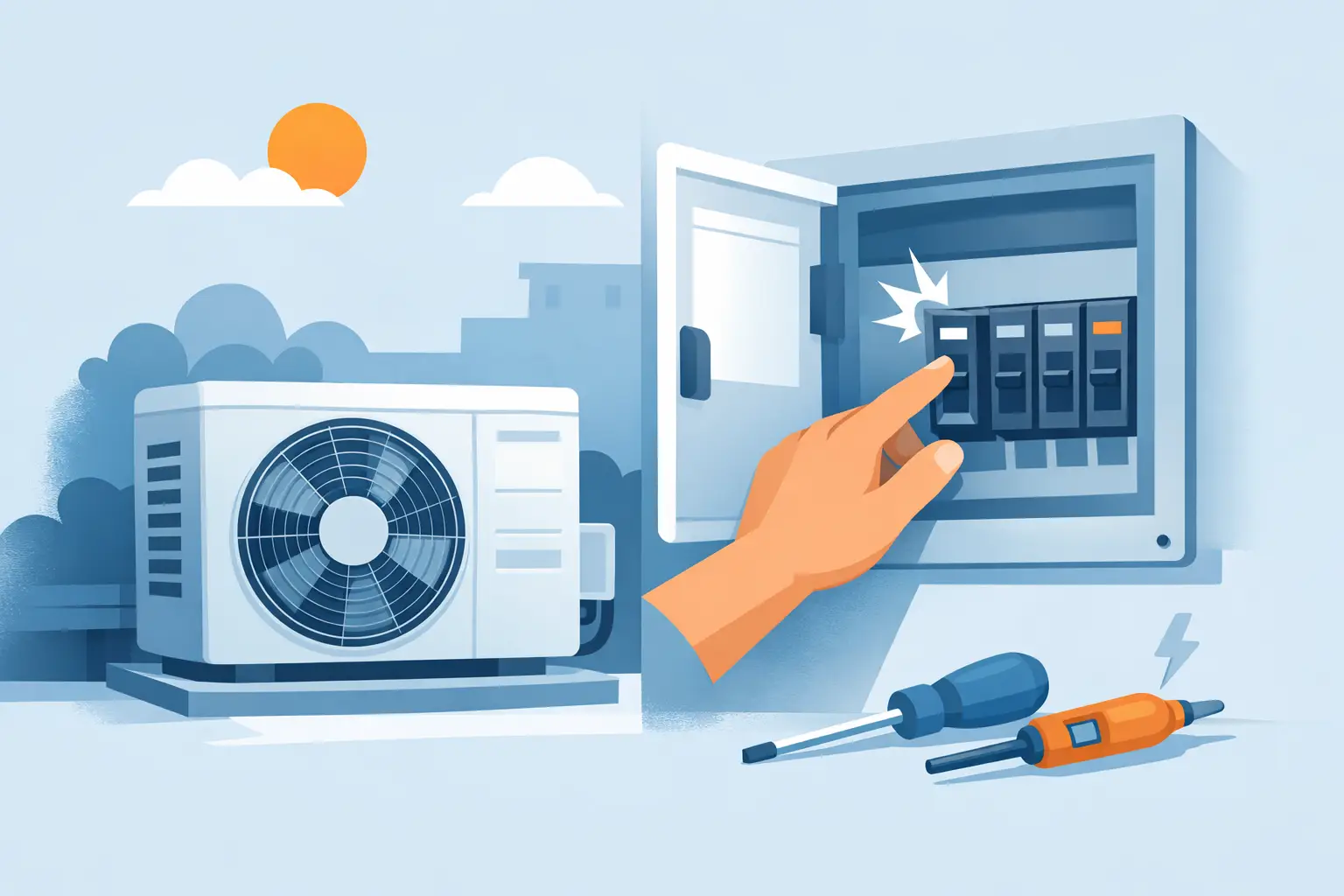
Call for professional service if the coil freezes again after you install a clean filter and allow the system to thaw. You should also call if there is no airflow, you see refrigerant-line ice, water is leaking indoors, the breaker trips, or the system is not cooling after restarting.
SMW Refrigeration & Heating has served Tempe and Maricopa County since 1964, with experienced technicians available for urgent air conditioning problems as well as preventive care. A proper inspection can determine whether the issue is airflow, refrigerant, electrical performance, drainage, or a combination of concerns.
A frozen coil is your air conditioner’s way of signaling that something needs attention. Turning the cooling off early and getting the cause diagnosed can protect your comfort, your property, and the life of the equipment.
Need HVAC Service?
Call SMW Refrigeration & Heating for expert service throughout Maricopa County.
Call (602) 992-1930Related service
AC repair & air conditioning service in Tempe →