24 Hour AC Repair Near Me When Cooling Stops
When your air conditioner quits during a Tempe summer evening, waiting until morning may not be realistic. Searching for 24 hour ac repair near me is usually about more than comfort. It can mean a hot bedroom, an elderly family member at risk, unhappy tenants, heat-sensitive equipment, or a small business that cannot operate normally without cooling.
The right next step is not always replacing the system or authorizing the first repair offered. A dependable emergency HVAC visit should identify the immediate problem, protect your property, and give you clear information about what needs to happen next. Here is what to do when the AC stops, what a 24-hour technician can address, and how to make a sound decision under pressure.
When 24 Hour AC Repair Near Me Is the Right Call
Not every cooling issue requires an overnight service call. If the system is cooling but struggling to keep up during the hottest part of the afternoon, you may be able to schedule regular service soon. But a complete loss of cooling, especially when indoor temperatures are rising, deserves prompt attention in Maricopa County.
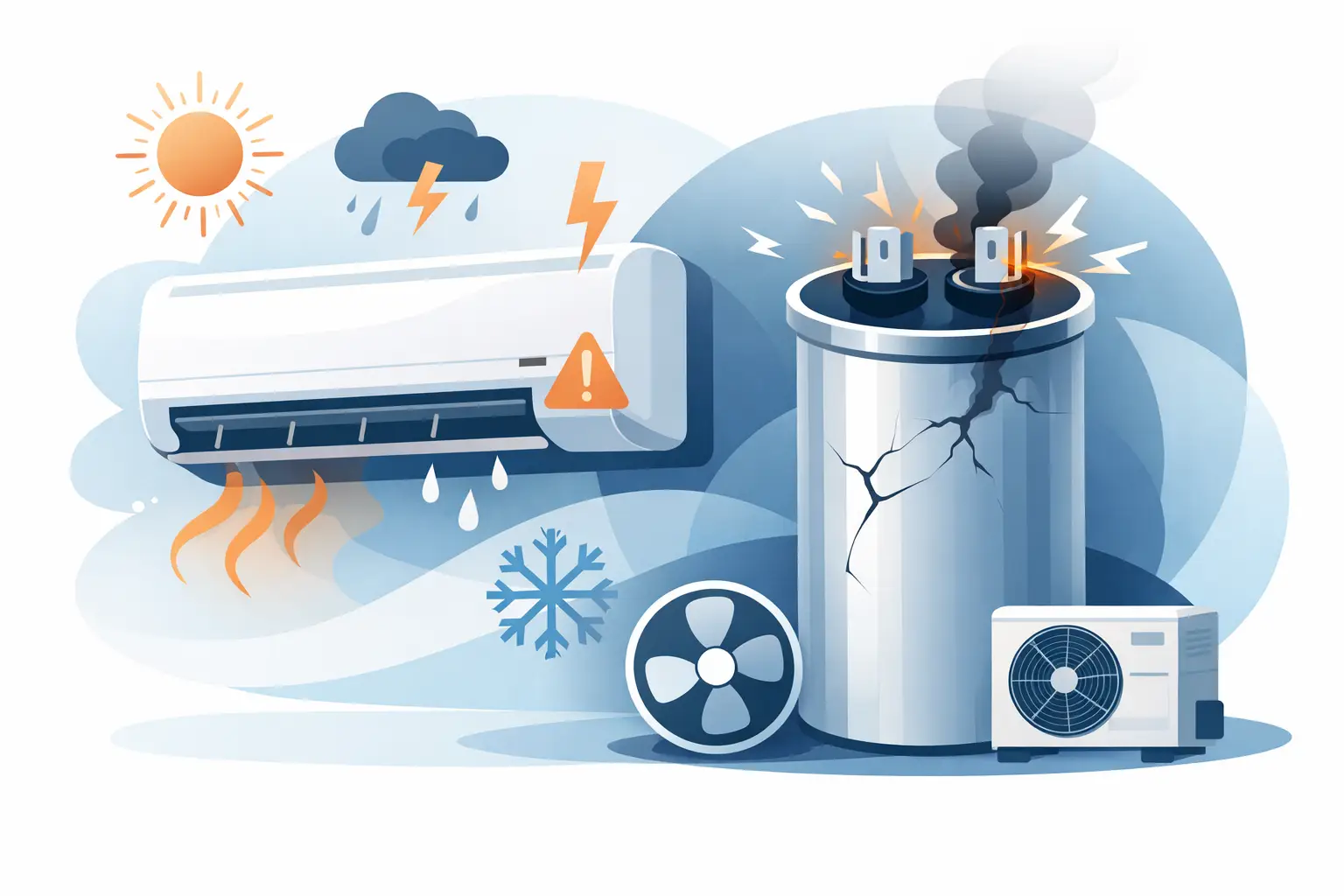
Call for emergency AC service when the unit will not turn on, warm air is coming from the vents, the circuit breaker repeatedly trips, or water is leaking around the indoor equipment. Burning smells, smoke, buzzing electrical sounds, and a frozen refrigerant line also call for immediate professional evaluation. Turn the system off if you smell something burning or see water near electrical components.
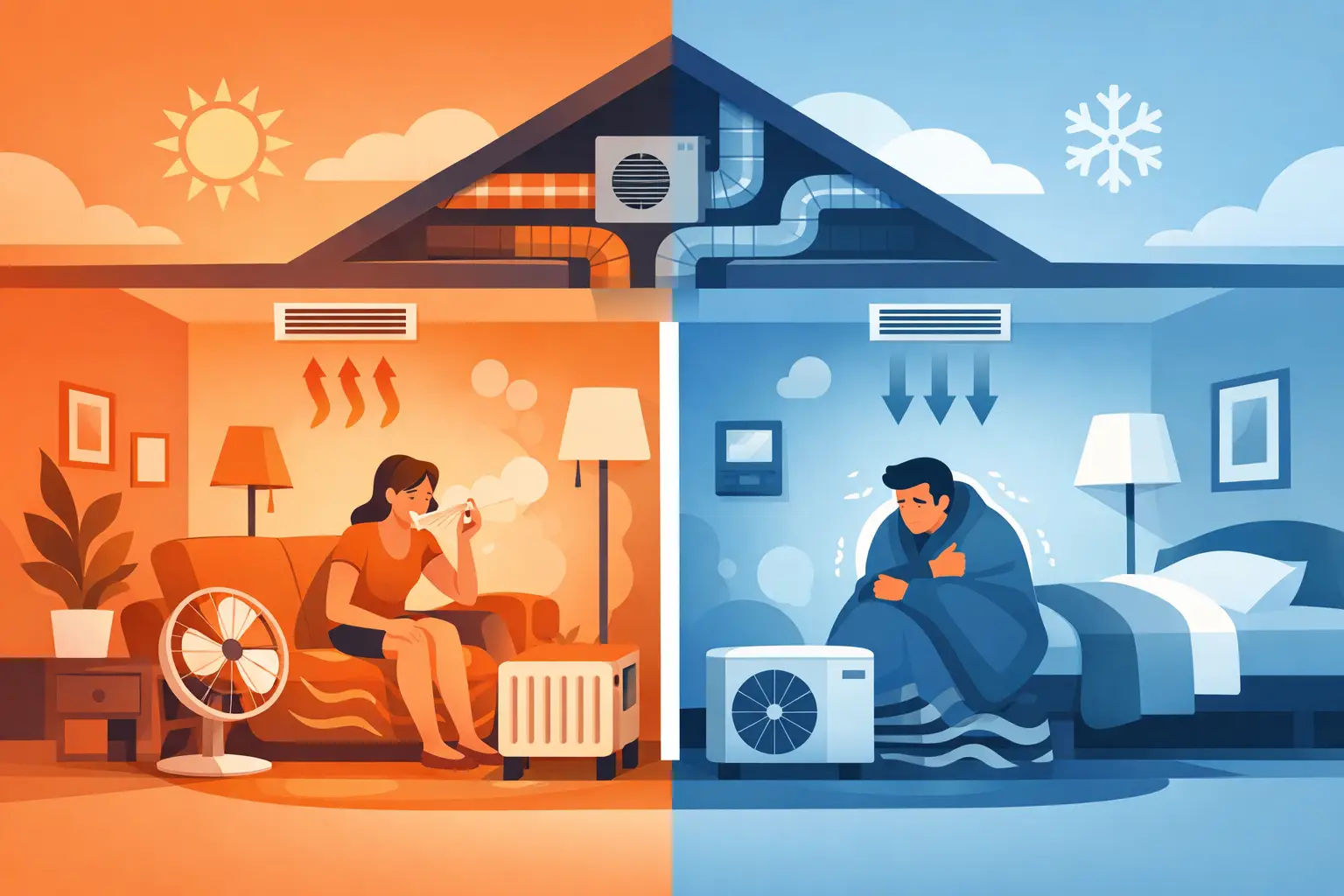
For homeowners, the decision often comes down to who is in the home and how quickly temperatures are climbing. Young children, older adults, pets, and anyone with medical conditions may not tolerate indoor heat well. For landlords and small commercial property managers, a no-cooling call can also affect tenant safety, lease obligations, inventory, and daily operations.
A Few Safe Checks Before You Call
A brief check can sometimes solve a simple problem and helps you give the technician useful details. Set the thermostat to Cool, lower the setting several degrees below the indoor temperature, and make sure the display has power. Check that the air filter is not heavily clogged. A blocked filter restricts airflow and can contribute to a frozen indoor coil or poor cooling.
Look at your electrical panel for a tripped breaker, but do not keep resetting a breaker that trips again. Repeated trips can point to an electrical or equipment issue that needs service. If your system has a condensate drain safety switch, a backed-up drain line may shut the unit down to prevent water damage.
Outside, make sure the condenser has clear space around it. Do not remove panels, touch wiring, or attempt to add refrigerant. Modern AC systems are pressurized, and refrigerant work must be handled by properly qualified HVAC professionals. If the outdoor unit is covered in ice, turn the thermostat to Off and set the fan to On if it will run. This can help the ice thaw while you wait for service.
What an Emergency AC Technician Should Diagnose
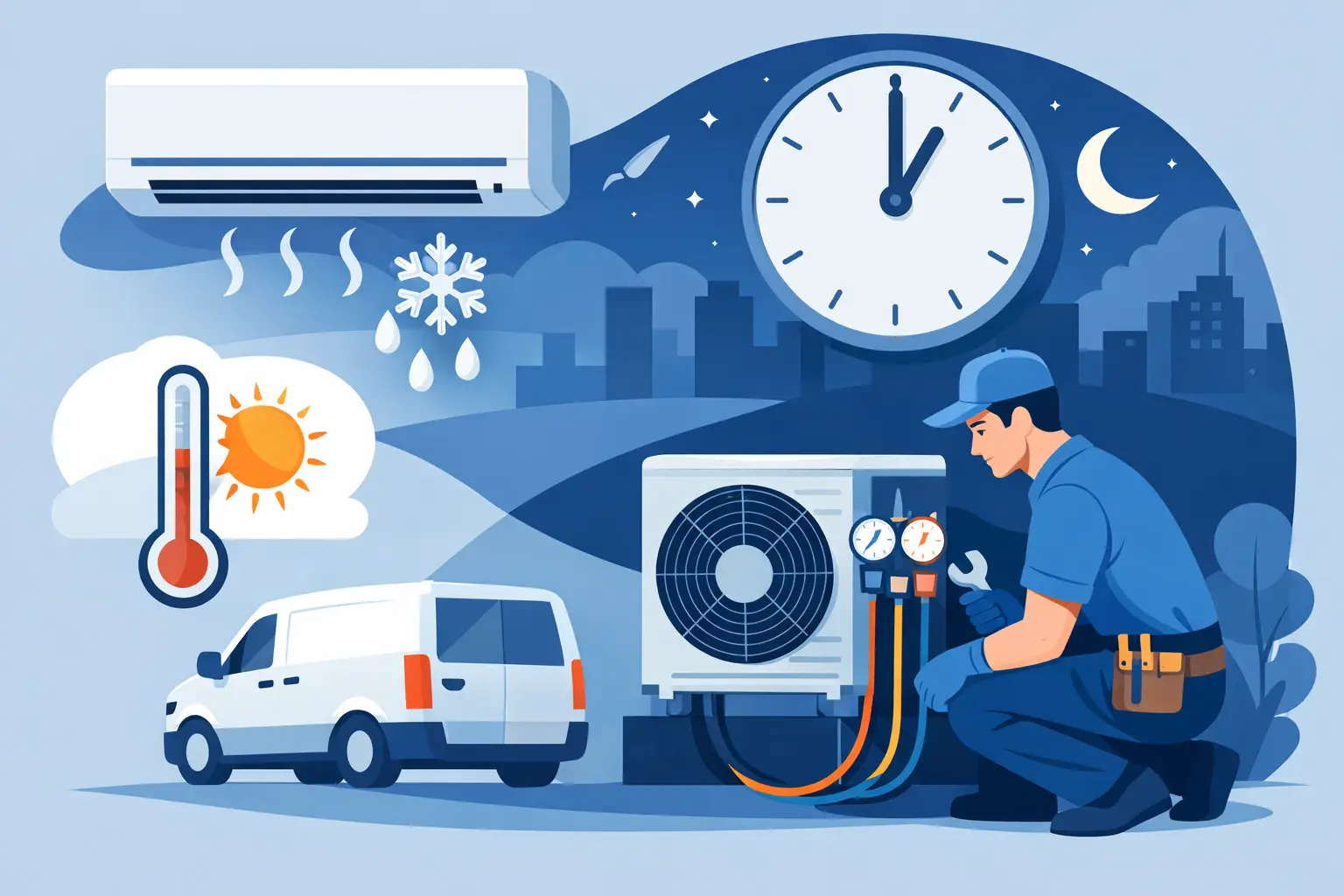
An AC failure is a symptom, not a diagnosis. The technician should inspect the system rather than guess based on one visible issue. A thorough call commonly includes checking thermostat operation, electrical connections, capacitors, contactors, blower performance, condenser operation, airflow, drainage, refrigerant pressures, and the condition of the evaporator coil.
Some repairs can be completed during the first visit, such as replacing a failed capacitor, contactor, fuse, float switch, or thermostat component. A clogged drain line, dirty filter, or wiring issue may also be resolved quickly. Other problems take more investigation or require parts that are not available after hours.
A refrigerant leak is a good example. Adding refrigerant may restore cooling temporarily, but it does not fix the source of the leak. Depending on the age and condition of the equipment, the better long-term choice may be leak repair, coil replacement, or a conversation about replacing an aging system. The right answer depends on the location of the leak, repair cost, refrigerant type, and the overall reliability of the unit.
What to Expect From a Dependable After-Hours Visit
Emergency service should feel organized, even when the problem happens at an inconvenient time. Before arrival, the company should be able to confirm that it provides after-hours assistance and explain any service-call or emergency rates. Clear expectations matter. An honest contractor will not promise an exact repair before seeing the equipment.
Once on site, the technician should explain the likely cause in plain language and provide repair options when options exist. Ask whether the repair restores operation only or addresses the underlying problem. If replacement is recommended, ask why repair is not the better choice and whether the system can be safely stabilized until a regular-hours estimate can be prepared.
A repair recommendation should account for the unit's age, maintenance history, efficiency, condition of major components, and cost of the repair. There is no single age at which every air conditioner should be replaced. A well-maintained unit with a minor electrical failure may be worth repairing. A system with recurring breakdowns, a leaking coil, and an obsolete refrigerant may be more costly to keep alive.
Choosing an Emergency HVAC Company Carefully
When you need help quickly, it is still worth taking a minute to evaluate who you call. Look for a locally established company that clearly identifies its service area, emergency availability, and professional credentials. Licensed, bonded, and insured contractors provide a stronger level of accountability than an unknown listing with little local history.
Ask whether the company works on your equipment type and whether it serves residential, rental, or light commercial properties as needed. For a landlord or property manager, it also helps to know how the contractor handles tenant communication, approval limits, photos, and repair documentation.
Be cautious with unusually low advertised prices that do not explain what is included. Emergency repairs can carry additional charges because they require after-hours staffing and immediate dispatch. That does not make every higher quote reasonable, but transparent pricing and a clear diagnosis are better signs than a vague bargain.
SMW Refrigeration & Heating has served Tempe and the wider Maricopa County area since 1964, providing 24/7 repair support along with installation, replacement, and ongoing maintenance. That combination matters when an urgent repair turns into a larger decision about the future of your system.
Keep the Heat From Turning Into a Bigger Problem
While waiting for service, close blinds and curtains, keep exterior doors shut, and avoid using heat-producing appliances if possible. Use ceiling fans to improve comfort, but remember that fans cool people, not rooms. Drink water and move vulnerable family members to a cooler location if the indoor temperature becomes unsafe.
If your system is leaking water, place towels or a shallow container beneath the affected area only if it can be done safely. Do not operate an AC unit that is making electrical noises, emitting an odor of burning plastic, or tripping breakers. Preventing damage and avoiding a safety hazard is more important than trying to get one more hour of cooling from failing equipment.
For commercial spaces, protect temperature-sensitive products and equipment according to your operating procedures. Document the outage, note the time cooling stopped, and record any visible symptoms. Those details can help both the HVAC technician and your internal maintenance records.
After the Repair, Plan for Reliability
An emergency repair gets the system running again, but it can also reveal maintenance that has been deferred. Arizona AC equipment works hard for long stretches of the year. Dirty coils, neglected filters, drain problems, weak electrical components, and low airflow can gradually reduce performance long before a full breakdown occurs.
Schedule preventive maintenance before the next heavy cooling season whenever possible. A proper service visit can identify worn parts, clean components that affect efficiency, verify system operation, and catch drainage or airflow concerns early. It cannot prevent every failure, but it can reduce surprise breakdowns and give you more time to make repair or replacement decisions without the pressure of a hot house.
When cooling stops after hours, focus first on safety, clear communication, and a qualified diagnosis. A reliable local technician can restore comfort when possible and give you straightforward answers when the repair requires a larger plan.
Need HVAC Service?
Call SMW Refrigeration & Heating for expert service throughout Maricopa County.
Call (602) 992-1930Related service
AC repair & air conditioning service in Tempe →