HVAC Buzzing Noise and What Homeowners Should Do
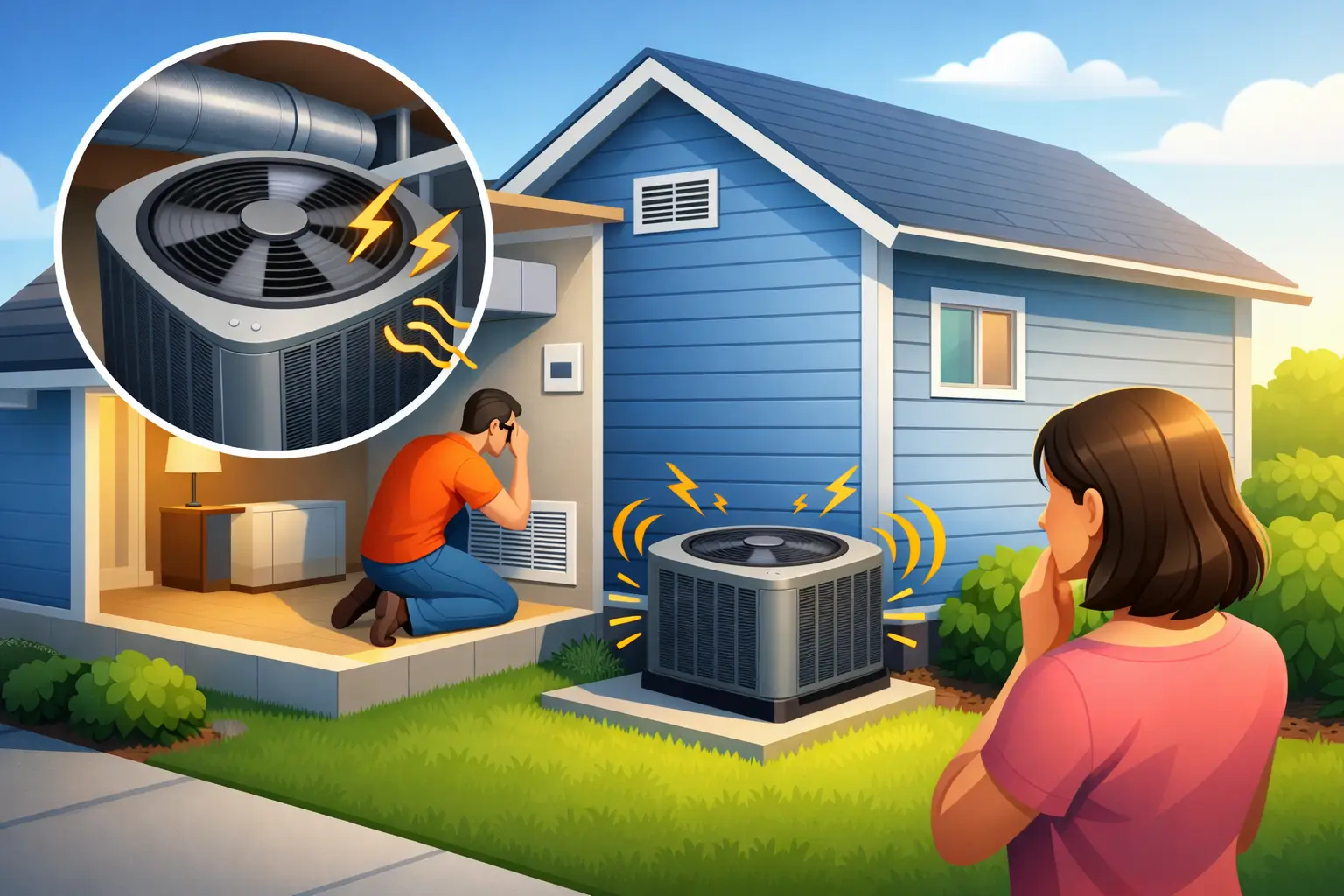
A sudden HVAC buzzing noise is easy to ignore when the air conditioner is still cooling. In Tempe and across Maricopa County, that can be a costly gamble. A buzz may come from a minor loose panel, but it can also point to an electrical problem, a failing motor, or a component that could leave you without cooling when the heat is at its worst.
The sound itself is a clue. Pay attention to when it starts, where it seems loudest, and whether your system is cooling or heating normally. Those details help separate a simple repair from an issue that needs prompt professional attention.
What Causes an HVAC Buzzing Noise?
Your HVAC system has electrical controls, motors, moving parts, ductwork, and refrigerant components. Any one of them can create a buzzing sound under the wrong conditions. The location and timing of the noise matter.
Loose panels, screws, or ductwork
A light rattle or buzz that begins when the blower starts may be caused by a loose access panel, cabinet screw, air register, or section of ductwork. Metal vibrates as air moves through the system, particularly when a system runs hard during an Arizona summer.
This is usually not an emergency, but it is still worth addressing. A loose panel can become louder over time, and ductwork that shifts or separates can waste conditioned air in places where you do not need it.
A failing contactor or electrical component
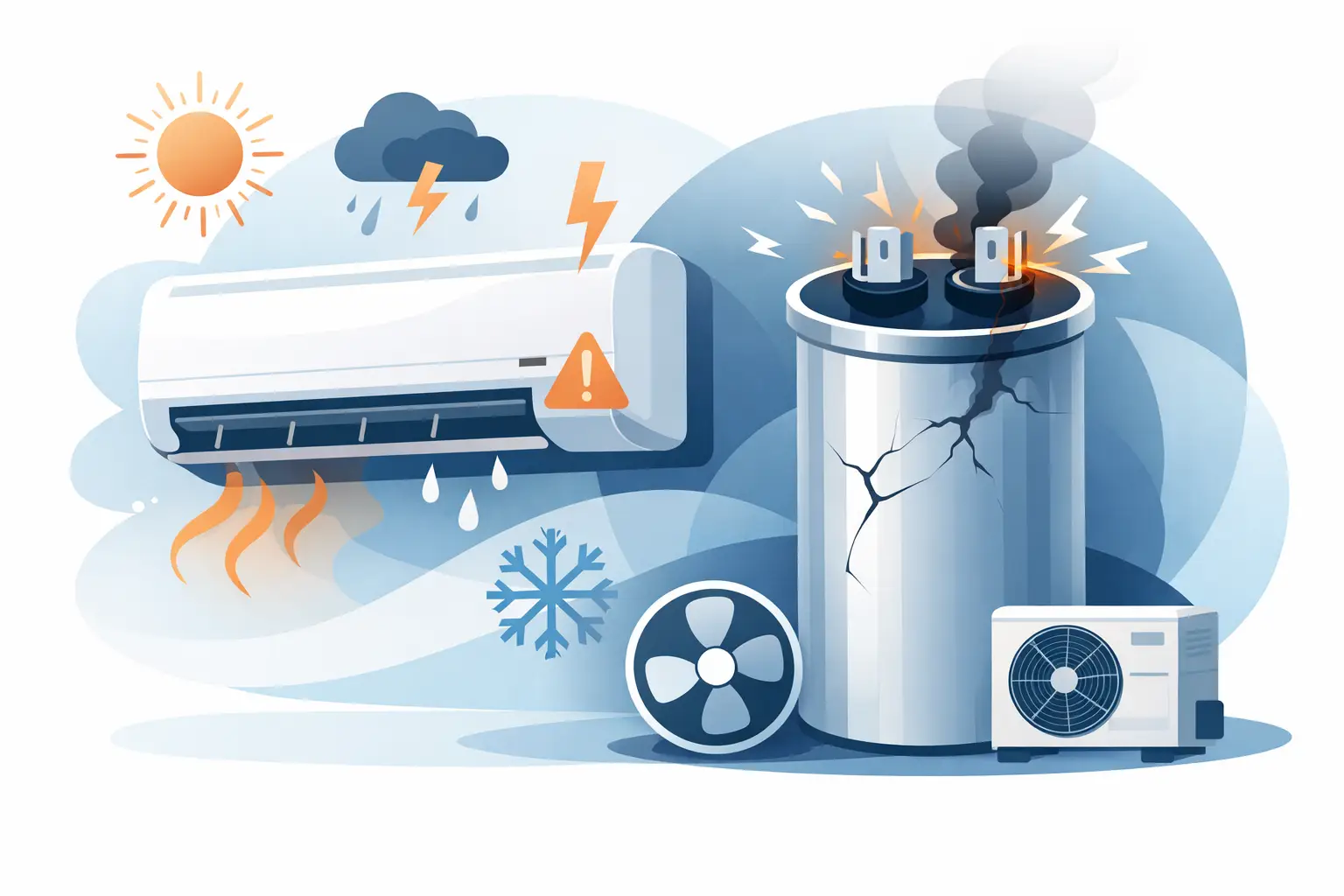
A louder, steady buzzing from the outdoor AC unit can be associated with the contactor. This is the electrical switch that helps send power to the compressor and condenser fan. Contactors wear out, become pitted, or fail to pull in correctly.
Buzzing can also come from a capacitor, relay, transformer, or loose electrical connection. These are not homeowner repairs. Electrical components can hold a dangerous charge even after power is shut off, and an incorrect repair can damage the system or create a safety hazard.
Compressor problems
The compressor is the heart of an air conditioner. If the outdoor unit buzzes but the fan or compressor does not start, the system may have a weak capacitor, a stuck compressor, or an electrical issue preventing normal startup.
A compressor-related buzz deserves a timely service call. Continuing to force a struggling unit to start can cause additional damage. Depending on the equipment's age, the repair may be straightforward, or it may lead to a conversation about the condition and remaining life of the system.
Condenser fan motor trouble
The outdoor fan removes heat from the condenser coil. When its motor begins to fail, you may hear buzzing, humming, or an irregular sound before the fan slows down or stops altogether. The unit may still run for a short period, but it can overheat quickly without proper airflow.
If the outside unit is buzzing and the fan blade is not turning, turn the thermostat off and avoid restarting the system until it has been checked. Running an AC unit in that condition can put the compressor at risk.
Debris or vibration around the outdoor unit
Leaves, gravel, loose branches, or even a shifted protective grille can create vibration near the condenser. In some cases, the sound is simply a loose part touching the cabinet while the equipment operates.
You can safely look around the unit for obvious debris while keeping hands, tools, and garden hoses away from electrical and moving parts. Do not remove panels or reach through the grille. If the source is not visible, a technician can inspect the cabinet, fan assembly, and mounting hardware safely.
Refrigerant flow or reversing valve noises
Heat pumps may make a brief buzz or change in sound as they switch between heating and cooling modes. Refrigerant movement can also produce occasional noises. A short, isolated sound is different from constant loud buzzing, poor performance, ice buildup, or frequent cycling.
When a buzzing noise arrives with weak cooling, warm air from vents, water around the indoor unit, or frozen refrigerant lines, schedule service. Those symptoms can indicate a problem that will not improve on its own.
When an HVAC Buzzing Noise Needs Immediate Attention
Not every buzz means an emergency, but some warning signs should move the issue to the top of your list. Turn the system off and request service promptly if you notice a burning smell, smoke, sparking, tripped breakers, repeated system shutdowns, or a loud electrical buzz from the indoor or outdoor equipment.
The same applies when your AC is buzzing but not cooling. In Maricopa County, waiting through a hot afternoon can turn a manageable repair into a full system failure, especially if the compressor is overheating. Landlords and small business owners should act quickly as well, since a comfort issue can become a tenant or customer problem fast.
If you hear a faint vibration but the system is operating normally, you may have time to schedule a standard repair visit. It depends on the sound and whether performance has changed. A professional inspection is the practical way to avoid guessing.
Safe Steps to Take Before Calling for Service
Start by noting whether the sound is coming from the indoor air handler, the outdoor condenser, a vent, or the thermostat area. Then note whether the buzz happens at startup, while the system runs, or after it shuts off. If cooling or heating has changed, write that down too.
Check your air filter if it is accessible and replace it if it is heavily loaded with dust. A clogged filter does not usually create a direct electrical buzz, but restricted airflow can strain the blower and contribute to other operating problems.
You can also make sure the outdoor unit has clear space around it. Remove loose leaves and yard debris from the surrounding area, but do not take the unit apart. If there is any smell of burning, breaker trouble, or a fan that will not run, shut off the thermostat and leave the equipment alone until a qualified technician arrives.
Avoid a few common mistakes: do not keep cycling the thermostat to see if the buzz goes away, do not push a fan blade with a stick, and do not open electrical panels. These actions can make a minor failure worse and create unnecessary risk.
How a Technician Finds the Source of the Buzz
A proper diagnosis goes beyond listening to the noise. A trained HVAC technician checks electrical connections, capacitors, contactors, relays, motor operation, fan blades, cabinet panels, refrigerant pressures, and the system's overall performance.
This process matters because several issues can sound alike. For example, a bad capacitor and a failing fan motor may both create a buzz at the outdoor unit, but the repair is not the same. Replacing parts based on a guess can waste money and leave the real issue unresolved.
For older systems, the technician should also explain the trade-off between repairing a single component and planning for replacement. A contactor replacement on an otherwise reliable unit is usually sensible. Repeated electrical failures, a declining compressor, and an aging system that struggles through summer may justify a longer-term conversation.
SMW Refrigeration & Heating has served local homeowners and businesses since 1964, with licensed, bonded, and insured service for urgent repairs, maintenance, and equipment decisions. When comfort is on the line, clear answers and dependable workmanship matter more than a quick guess.
Can Maintenance Prevent Buzzing Sounds?
Maintenance cannot prevent every failure, but it catches many of the conditions that lead to unusual noises. During a professional tune-up, technicians can tighten electrical connections, inspect capacitors and contactors, check motors, confirm proper airflow, and identify worn mounting hardware before it becomes a louder problem.
For homeowners, regular filter changes and keeping the outdoor unit clear are the most useful routine tasks. Property managers can benefit from scheduled maintenance because it helps reduce surprise repair calls and supports more consistent comfort across occupied spaces.
A buzzing HVAC system is asking for attention. If the sound is new, persistent, loud, or paired with reduced cooling or heating, shut the system down when safety is a concern and arrange a professional inspection before a small noise becomes a much bigger interruption.
Need HVAC Service?
Call SMW Refrigeration & Heating for expert service throughout Maricopa County.
Call (602) 992-1930Related service
AC repair & air conditioning service in Tempe →