When Emergency HVAC Service Needs Fast Help
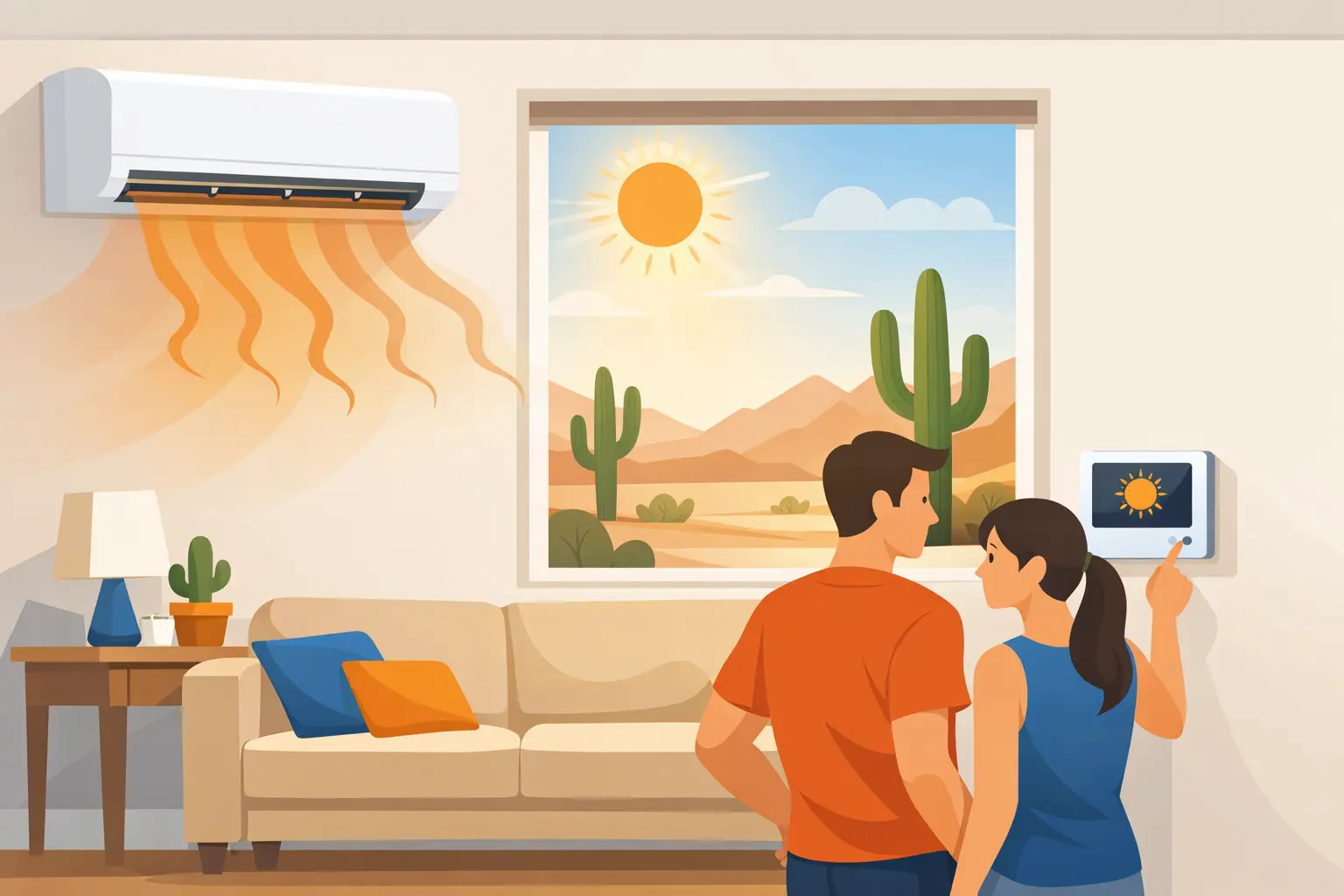
A Tempe air conditioner can go from running normally to blowing warm air in a matter of minutes. When indoor temperatures are climbing, a tenant has no cooling, or a furnace will not operate on a cold night, emergency HVAC service is about more than convenience. It is about protecting people, property, and the equipment you depend on.
For homeowners, landlords, and small commercial property managers across Maricopa County, the right response starts with knowing what is truly urgent, what can be checked safely, and when to call a qualified technician right away.
What Counts as an HVAC Emergency?
Not every HVAC problem requires an after-hours visit, but some should never wait for regular business hours. In Arizona, a complete loss of air conditioning during extreme heat can become a health and safety concern quickly, especially for older adults, young children, pets, or anyone with a medical condition affected by heat.
A system that is still cooling but making an unfamiliar noise may be able to wait until the next available appointment. A system that smells like burning, trips the breaker repeatedly, leaks heavily, or stops cooling entirely during a heat warning should be treated differently.
Heating emergencies matter, too. While Maricopa County winters are mild compared with many parts of the country, a failed furnace or heat pump can still leave a home uncomfortable and vulnerable during cold overnight temperatures. For a business, restaurant, office, or rental property, an HVAC outage can also disrupt operations, affect customers, and create immediate tenant concerns.
Call for immediate help when you notice these signs
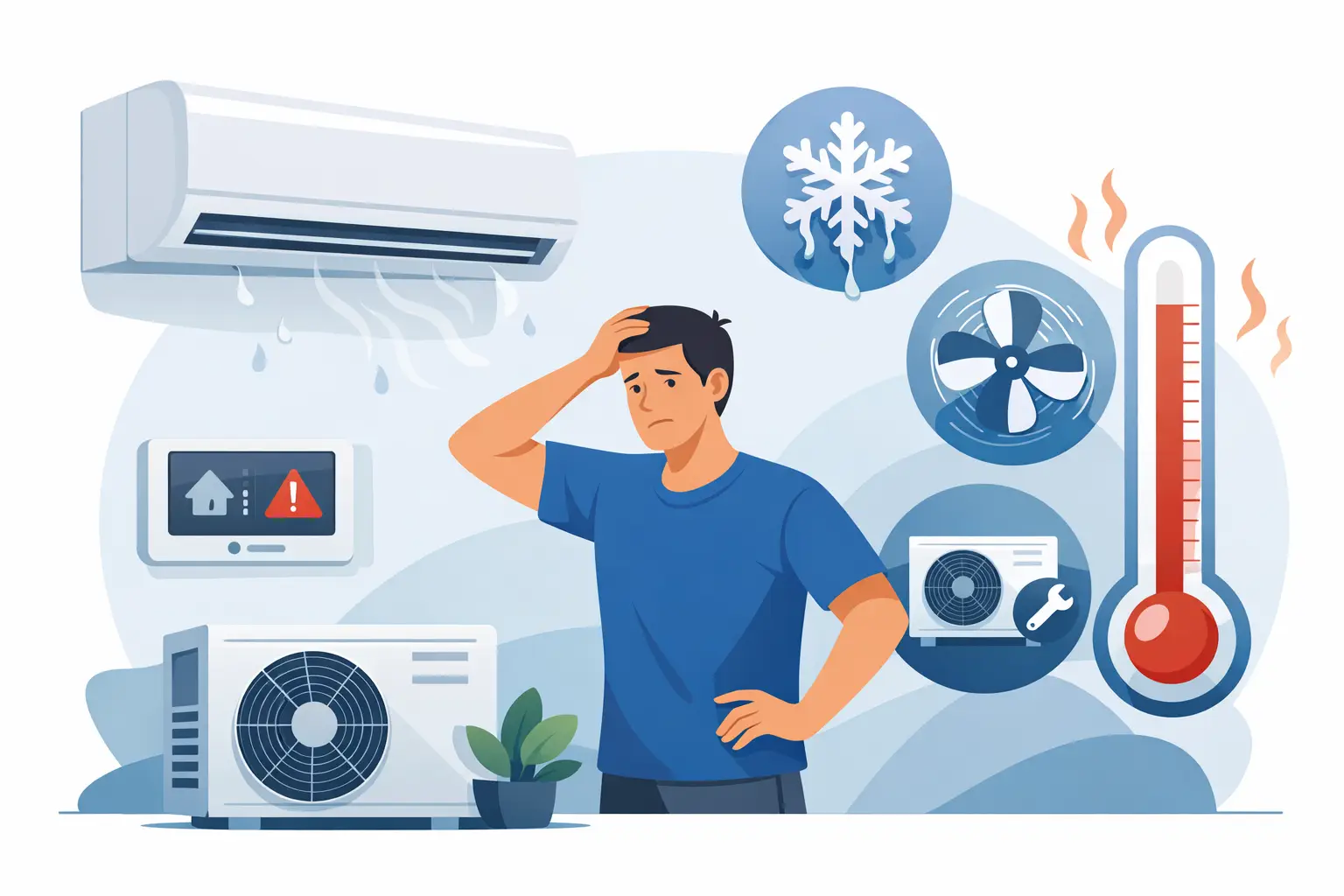
Contact an emergency technician promptly if your HVAC system has a burning or electrical smell, produces smoke, makes loud grinding or banging sounds, or shuts down and will not restart. Water pooling around an indoor unit also needs attention, particularly if it is near electrical components, ceilings, walls, or finished flooring.
A tripped breaker is another warning sign. You may reset a breaker once if there are no signs of burning or damage, but do not keep resetting it. Repeated trips can point to an electrical fault or a failing component. Continuing to force the system on can create a larger repair and an unnecessary safety risk.
If you smell gas near a furnace or gas line, leave the area, avoid switches and open flames, and contact the gas utility or emergency services as appropriate. Do not attempt to diagnose or repair a suspected gas leak yourself.
Safe Steps to Take Before Emergency HVAC Service Arrives
A few simple checks can sometimes restore operation or give the technician useful information. They should never put you at risk or involve opening sealed equipment panels.
First, check the thermostat. Make sure it is set to Cool or Heat as needed, the set temperature is reasonable, and the batteries are working if it uses them. A thermostat set to Fan On will circulate air but will not necessarily cool or heat it. Switching it to Auto is often the correct setting for normal operation.
Next, inspect the air filter. A severely clogged filter restricts airflow, can contribute to frozen evaporator coils, and places extra strain on the system. If the filter is dirty and you have the correct replacement, change it. Do not run an air conditioner with a collapsed, wet, or improperly sized filter.
Look at the electrical panel for a tripped HVAC breaker. Again, one careful reset is enough. If the breaker trips again, leave it off and call for service. If the outdoor unit is not running, check that its exterior disconnect has not been switched off accidentally, but do not handle damaged wiring or remove electrical covers.
For a frozen air conditioner, turn the cooling mode off and set the fan to On if it will run. This may help the coil thaw. Do not chip or scrape ice from the equipment. Ice is usually a symptom of an airflow, refrigerant, or mechanical problem that needs professional diagnosis.
If the system is leaking water, turn it off to prevent further damage. Move valuables away from the area and place a container beneath a small, accessible drip only if it is safe to do so. A blocked condensate drain is common in cooling systems, but the source of a leak is not always obvious.
Why Fast HVAC Repair Matters in Arizona
An HVAC breakdown can put an air conditioner under more stress than most homeowners realize. During a high-temperature stretch, a system may run for long periods without catching up. A small problem such as a weak capacitor, damaged contactor, clogged drain, or airflow restriction can turn into a complete shutdown under that load.
Prompt repair can also limit collateral damage. Condensate overflow can stain drywall and damage ceilings. A frozen coil can lead to compressor strain. Electrical issues can damage parts that would otherwise have been repairable. Waiting is not always the less expensive choice, particularly when the issue is getting worse each time the system cycles.
For landlords, a quick response helps protect tenant relationships and documents that a comfort issue was handled responsibly. For small businesses, dependable cooling can be essential for employee comfort, customer experience, computers, inventory, and equipment. The correct priority depends on the situation, but an honest technician should explain whether a repair is urgent, recommended soon, or best scheduled as routine maintenance.
What a Qualified Emergency Technician Should Check
Emergency calls are not just about getting equipment to start again. A proper diagnostic visit should identify why it stopped and whether restarting it without a full repair could cause another failure.
A licensed HVAC professional may inspect electrical connections, capacitors, contactors, motors, refrigerant performance, drain components, filters, thermostat operation, and airflow. For heating equipment, the inspection may also include ignition components, safety controls, venting, and fuel-related connections where applicable.
The best repair recommendation is based on the condition of the full system, not a guess from one symptom. For example, replacing a failed capacitor may be the right solution for a well-maintained unit. If the unit is older, has multiple worn components, and has needed repeated repairs, it may also be time to discuss the cost and practical value of replacement. Those are different conversations, and a reliable contractor will not treat every service call as a reason to sell new equipment.
SMW Refrigeration & Heating has served local homes and light commercial properties since 1964, with experienced technicians available for urgent heating and cooling needs across Tempe and Maricopa County. For an emergency call, clear communication matters: what failed, what was found, what repair is recommended, and what the next steps will be.
How to Make the Call Go More Smoothly
When you call for emergency HVAC service, have the property address, the type of system, and a short description of the problem ready. Mention whether the unit is completely off, blowing warm air, leaking, making noise, tripping a breaker, or displaying a thermostat error.
It also helps to share when the problem started and whether any recent work, power outage, storm, or thermostat change occurred. If you know the equipment brand or model, provide it, but do not delay the call looking for information that is hard to find.
For rental properties, make sure the technician can access the equipment and that the tenant knows a service visit has been arranged. For commercial spaces, identify any operational constraints, such as customer hours, restricted areas, roof access, or equipment that cannot be shut down without notice.
Preventing the Next Urgent Call
No maintenance plan can guarantee that a part will never fail. Arizona heat, electrical wear, dust, and normal aging all take a toll. Regular service does, however, give a technician a chance to find developing problems before they leave your home or business without cooling.
Keep return vents clear, replace filters on schedule, and avoid closing too many supply vents in an effort to redirect air. Restricted airflow can reduce comfort and create strain that is not obvious until the system fails. Keep the area around the outdoor unit free of leaves, stored materials, and heavy debris so it can release heat properly.
Schedule professional maintenance before the hottest part of the cooling season when possible. A thorough visit can address drainage, electrical wear, airflow, and operating performance before your system is asked to work its hardest. Older equipment deserves particular attention because small problems can compound quickly under summer demand.
When the air stops working, focus first on safety and keeping people cool with fans, shade, water, and a temporary location if conditions become unsafe. Then get qualified help rather than repeatedly resetting, restarting, or pushing struggling equipment to run. A calm, timely call can protect your comfort today and give your HVAC system a better chance of lasting through the next Arizona summer.
Need HVAC Service?
Call SMW Refrigeration & Heating for expert service throughout Maricopa County.
Call (602) 992-1930Related service
AC repair & air conditioning service in Tempe →