Emergency HVAC Service Arizona Homeowners Can Trust
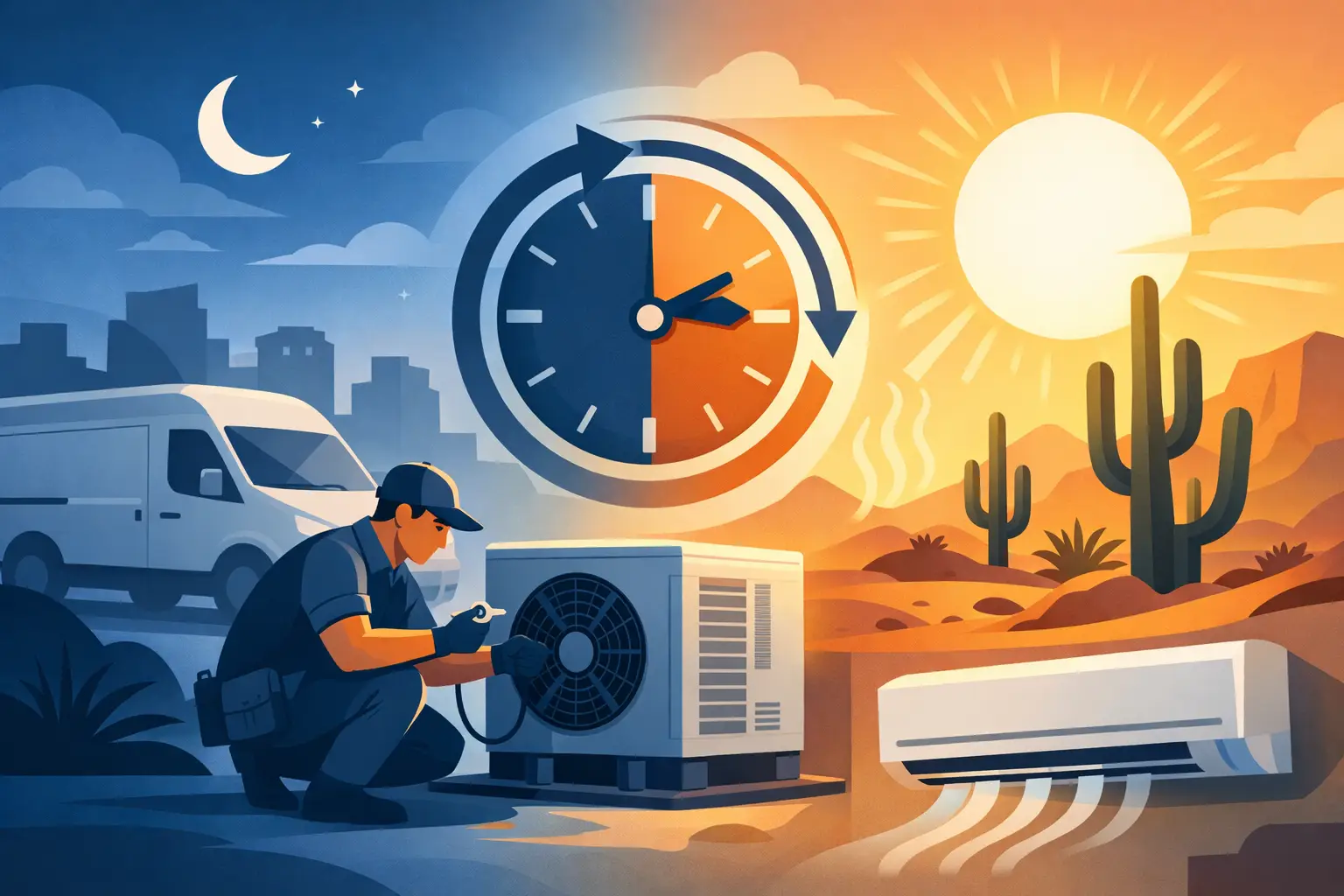
A Tempe air conditioner can go from struggling to silent during the hottest part of the afternoon. When indoor temperatures are climbing, a tenant is calling, or a family member is sensitive to heat, waiting until regular business hours may not be a safe or practical option. Emergency HVAC service Arizona homeowners and property managers rely on is about restoring safe, dependable comfort quickly while identifying the cause of the failure.
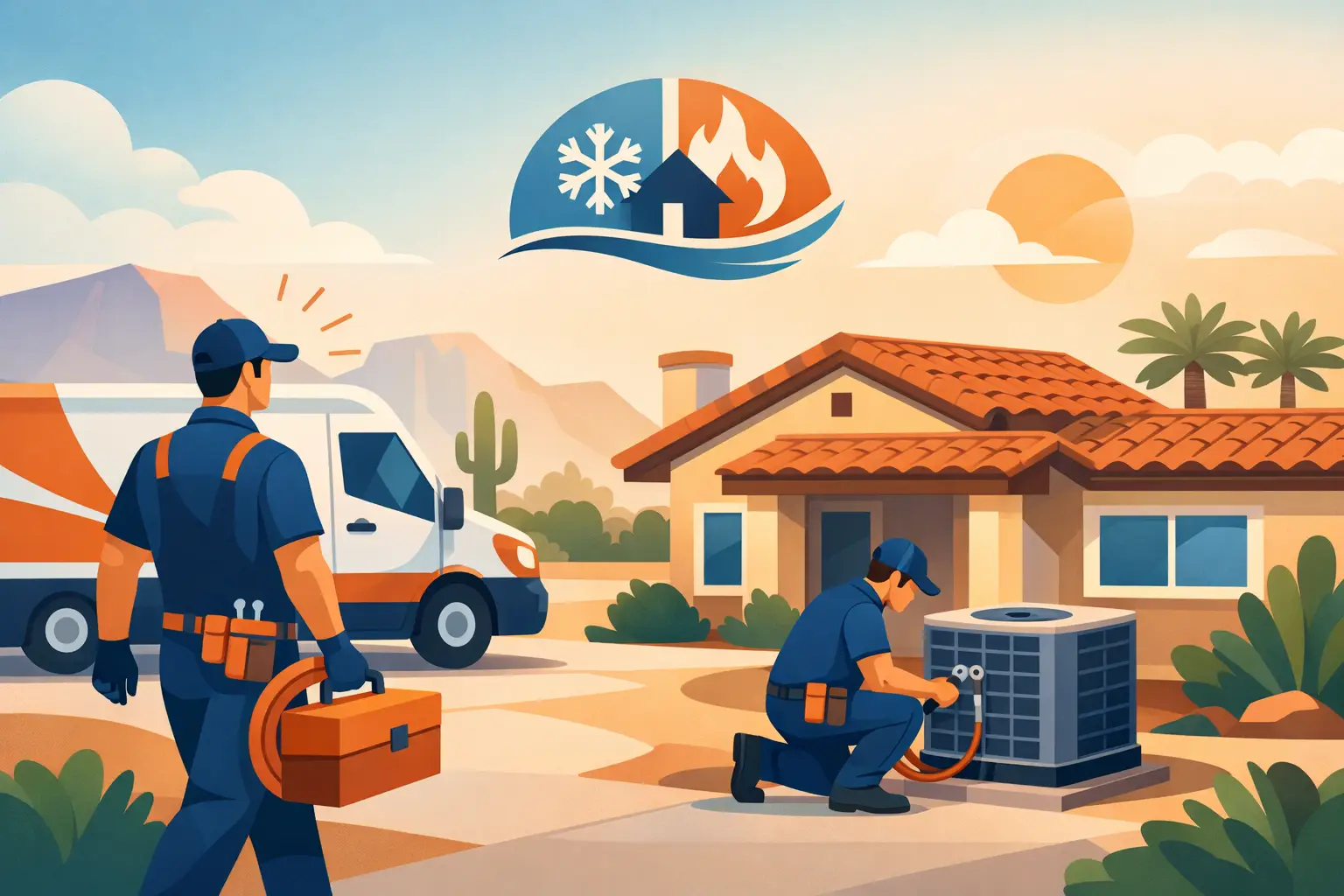
At SMW Refrigeration & Heating, emergency calls are handled with the same practical focus that has guided our family-run business since 1964: assess the problem, explain what is happening, and make a sound repair whenever possible.
When Emergency HVAC Service in Arizona Cannot Wait
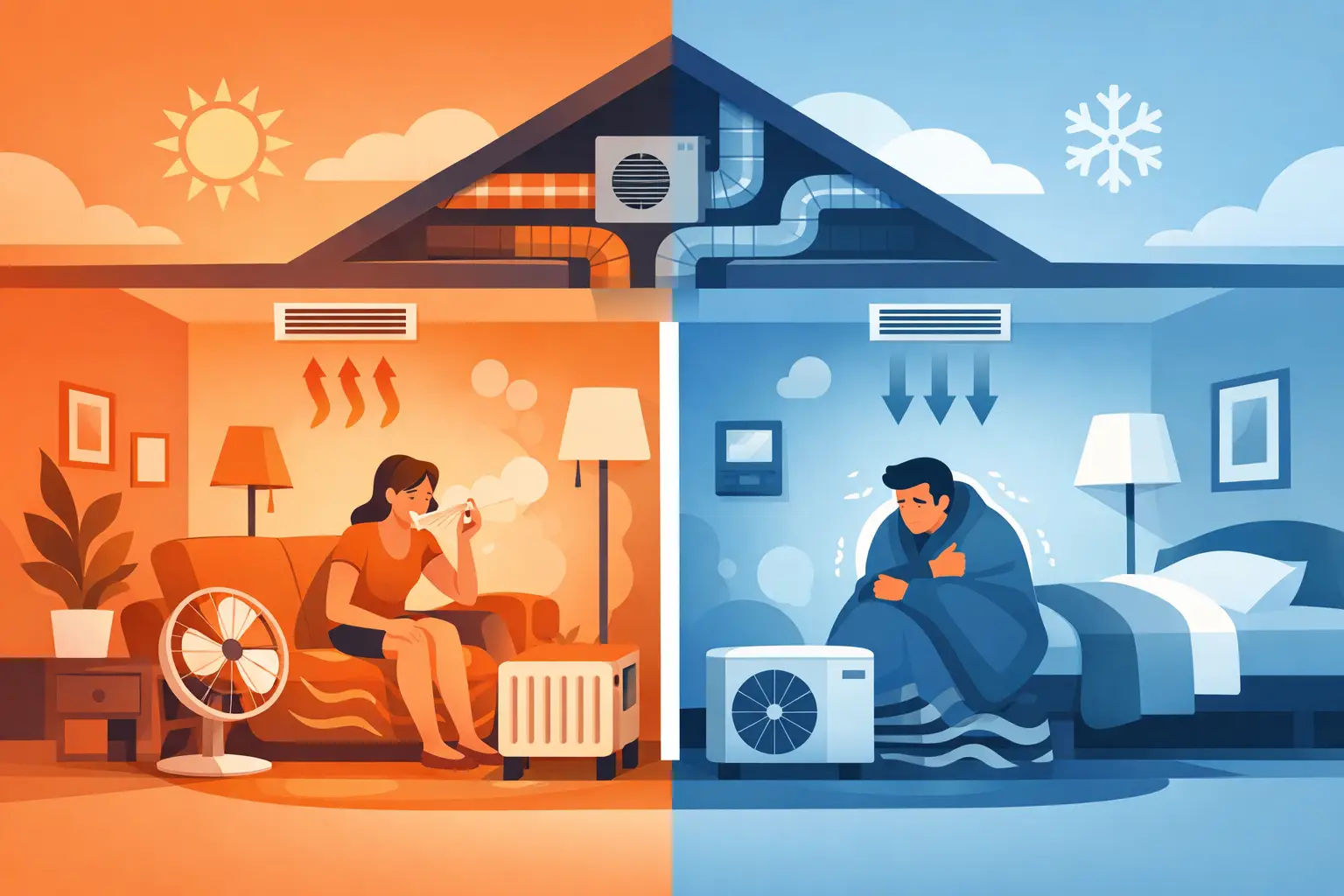
Not every air conditioning or heating issue requires an after-hours visit. A noisy unit that is still cooling, for example, may be able to wait until the next available appointment. But Arizona heat changes the calculation when the system has stopped cooling altogether or the home is becoming unsafe.
Call for emergency service when your HVAC system has completely failed during extreme heat or cold, when there is a burning smell or smoke, when you see sparks or suspect an electrical issue, or when water is leaking near electrical components. A gas odor, a carbon monoxide alarm, or symptoms such as dizziness and headaches around a gas furnace require immediate action. Leave the area if necessary and contact emergency services or your gas provider before arranging HVAC repair.
For rental properties and small commercial spaces, an HVAC outage is also a business and tenant-care issue. A restaurant office, retail space, or occupied rental unit may become uncomfortable quickly, and a delayed response can lead to avoidable complaints, lost productivity, or damage from a leaking system.
What to Do Before the Technician Arrives
A few safe checks can help you protect the equipment and provide useful details to the technician. Start with the thermostat. Confirm it is set to cool or heat, the temperature setting is appropriate, and the display has power. If the thermostat screen is blank, check whether the batteries need replacement.
Then check your electrical panel for a tripped breaker. If you reset a breaker and it trips again, leave it off. Repeatedly resetting it can create a safety hazard and will not solve the underlying electrical or mechanical problem.
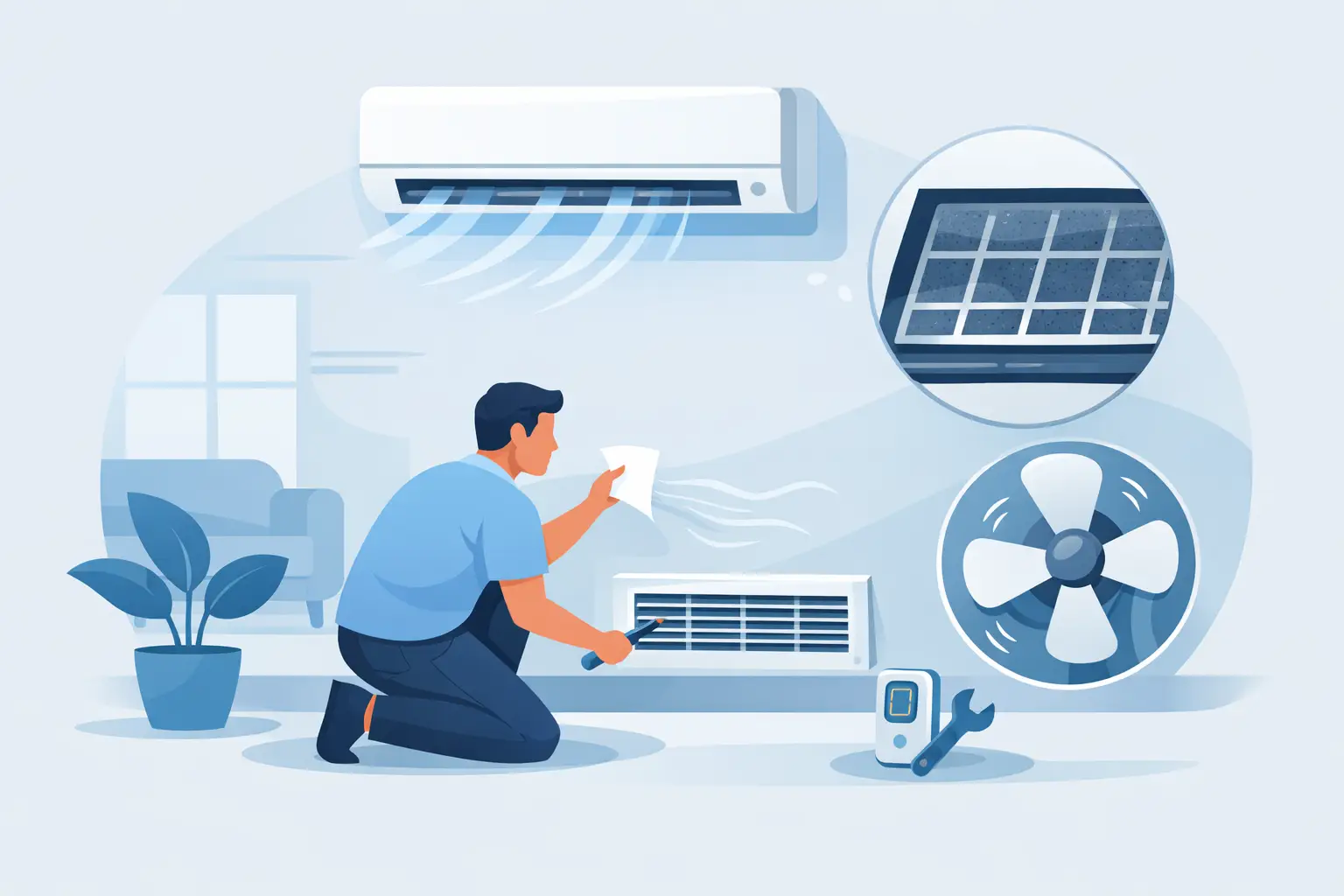
If the air conditioner is running but not cooling, inspect the return-air filter. A heavily clogged filter can restrict airflow, contribute to frozen coils, and make a system work much harder than it should. Replace the filter if you have the correct size on hand. Do not remove panels or attempt to thaw coils with sharp objects or heat sources.
For a system that is leaking water, turn the thermostat off if water is approaching electrical components. Place towels or a container under a manageable drip only if it can be done safely. Note where the water is coming from, whether the system was cooling normally before the leak, and whether you noticed ice on the refrigerant line.
These steps do not replace professional diagnosis, but they can prevent further damage and save time once help arrives.
Common Reasons Arizona HVAC Systems Fail Suddenly
Arizona cooling systems work long hours through extended periods of high outdoor temperatures. That workload exposes weak components, especially in older equipment or systems that have missed regular maintenance. The issue may appear sudden, but it often has been developing for weeks.
A failed capacitor is a common example. This component helps start and run the compressor and fan motors. When it weakens or fails, the outdoor unit may hum, struggle to start, or stop running. Contactor problems, worn fan motors, electrical failures, and refrigerant leaks can produce similar no-cooling symptoms, which is why a proper inspection matters.
Restricted airflow is another frequent cause of trouble. Dirty filters, clogged evaporator coils, blocked return vents, and failing blower components can prevent the system from moving enough air through the home. You may feel weak airflow at the registers, find some rooms much warmer than others, or see ice on the refrigerant line outside.
Drain line clogs are particularly common during humid monsoon conditions. The indoor coil removes moisture from the air, and that moisture drains through a condensate line. If the line becomes blocked, water may back up, trigger a safety switch, and shut down the cooling system. The shutdown can feel alarming, but it may be protecting the home from water damage.
Heating emergencies also happen in Maricopa County, even if they receive less attention than summer AC failures. A furnace that will not ignite, cycles off repeatedly, blows cool air, or produces unusual odors needs prompt evaluation. Heat pump problems can show up as inadequate heating, loud operation, or a unit that will not switch modes correctly.
Why a Fast Repair Still Needs Careful Diagnosis
When the house is hot, it is understandable to want the first available fix. A rushed guess, however, can mean replacing the wrong part or overlooking the reason the part failed. A blown capacitor might be an isolated issue, but it can also be connected to an overworked motor, loose wiring, or a system operating under poor airflow conditions.
A qualified technician should inspect the equipment, check operating conditions, and explain the repair in plain language. The goal is not only to get air moving again. It is to help you understand whether the repair is likely to provide a dependable result or whether the system has reached a point where replacement deserves consideration.
That decision depends on several factors: the equipment's age, repair history, condition of major components, efficiency, and the cost of the repair compared with a new system. An older unit does not automatically need replacement after one emergency call. Likewise, repeatedly investing in a system with major failures may not be the most responsible long-term choice.
Emergency Repairs for Homes, Rentals, and Small Businesses
Homeowners often need help restoring comfort for children, older adults, pets, and anyone working from home. In these situations, technicians should focus on both the immediate repair and practical steps for keeping the home cooler while service is underway. Closing blinds, limiting heat-producing appliances, and using ceiling fans can help reduce strain on the household, though they will not replace functioning air conditioning.
Landlords and property managers need clear communication as well as repair work. They may need to coordinate access, update tenants, document the issue, and make decisions that balance speed, budget, and equipment reliability. A local contractor experienced with residential and light commercial systems can help keep that process straightforward.
For small commercial property decision-makers, downtime can affect employees, customers, inventory, and operations. A repair plan should account for the building's use, the equipment involved, and whether a temporary operating adjustment can protect the space while a repair or replacement is completed.
Preventing the Next After-Hours Call
Emergency repairs cannot always be avoided. Electrical components can fail without warning, and Arizona weather places real demands on every cooling system. Preventive maintenance still gives you the best chance of catching wear before it becomes a complete shutdown.
Before peak cooling season, have the system inspected and serviced by a licensed HVAC professional. Maintenance commonly includes checking electrical connections, testing key components, verifying refrigerant performance, cleaning applicable coils and drains, inspecting moving parts, and confirming safe operation. Between visits, change filters regularly, keep outdoor equipment clear of debris, and pay attention to new sounds, weak airflow, frequent cycling, or rising utility bills.
Do not wait for a minor concern to become a midnight problem. If your system is acting differently, schedule service while you still have options. And if it stops when the temperature outside is unforgiving, turn to an experienced local team that treats urgent repairs with the care your home, tenants, or business deserve.
Need HVAC Service?
Call SMW Refrigeration & Heating for expert service throughout Maricopa County.
Call (602) 992-1930Related service
AC repair & air conditioning service in Tempe →