
How to Fix Weak Airflow From Your AC Vents
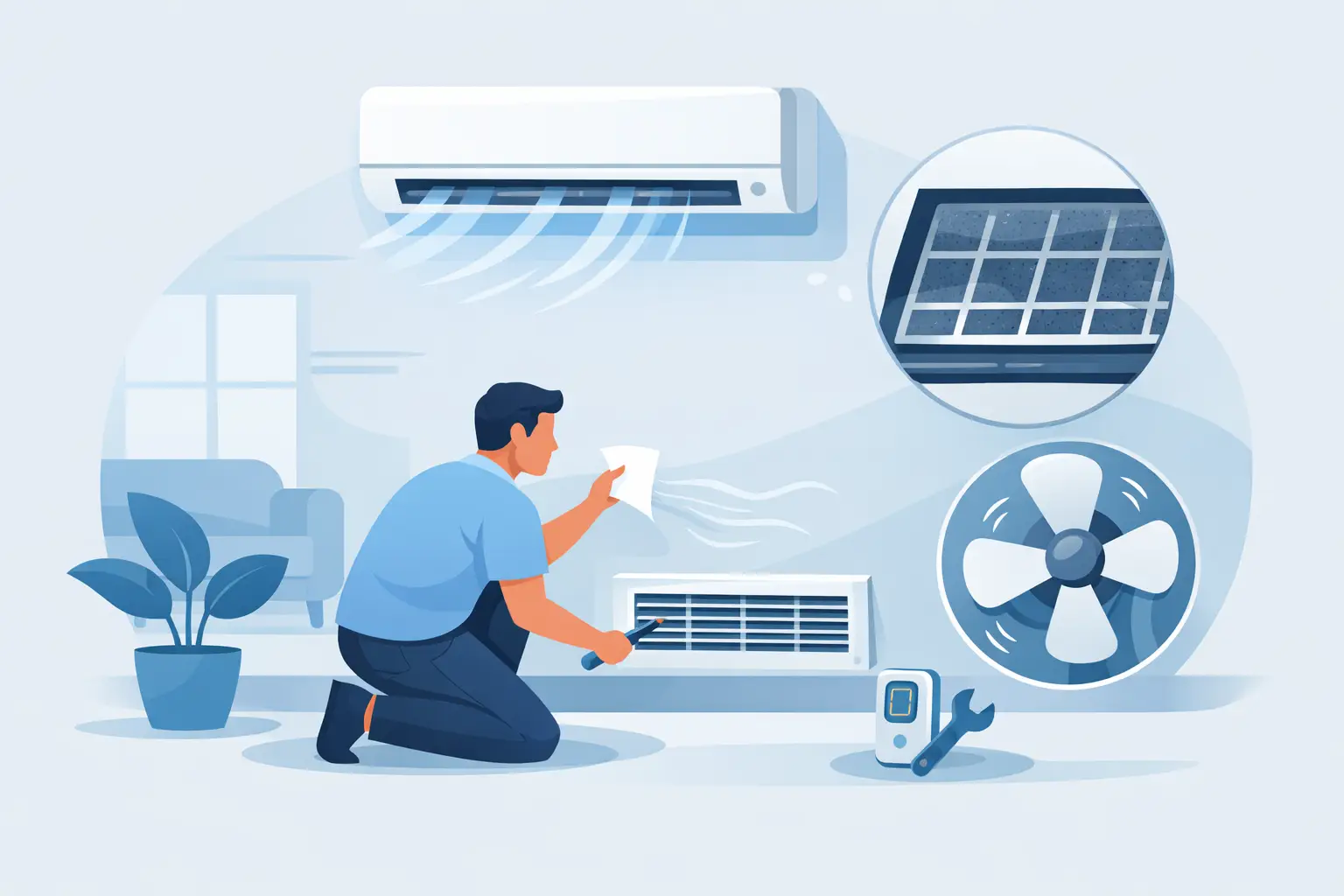
A Tempe home can feel uncomfortable fast when the air conditioner is running but only a weak stream comes from the vents. One bedroom may turn stuffy while the thermostat says the system is cooling, or every room may feel warmer than it should during an Arizona afternoon. Knowing how to fix weak airflow starts with separating the simple issues you can check safely from problems inside the equipment or ductwork that need professional service.
Weak airflow is not always a sign that the entire AC system has failed. It can be caused by a clogged filter, closed vents, a frozen indoor coil, a blower problem, or leaking ducts. The right fix depends on whether the problem affects one room, one side of the building, or every vent.
Start With the Easy Airflow Checks
Before adjusting equipment settings or assuming you need a new air conditioner, check the items that most often restrict air movement. Turn the system off at the thermostat before opening any panels.
First, inspect the air filter. A filter loaded with dust, pet hair, or construction debris can limit the air reaching the blower. In severe cases, it can contribute to an iced-up evaporator coil and create a much larger cooling problem. Hold the filter up to a light source. If little or no light passes through it, replace it with the correct size and airflow rating for your system.
Avoid choosing the most restrictive filter just because it has the highest filtration rating. Some systems are not designed to move enough air through very dense filters. For many homes, a quality pleated filter changed regularly provides a practical balance between air quality and airflow. If you have allergies, pets, or a recently remodeled home, ask an HVAC technician which filter type your system can handle.
Next, walk through the property and make sure supply registers are fully open and not blocked by furniture, rugs, curtains, or storage. It is common to close vents in unused rooms to save energy, but closing too many can raise pressure in the duct system and reduce comfort elsewhere. It may also put unnecessary strain on the blower.
Check the return-air grilles as well. Return vents pull room air back to the system to be cooled and circulated again. A return blocked by a sofa, bookcase, or stacked boxes can starve the system of air. In a small commercial space, blocked returns behind inventory or display fixtures are an especially common issue.
How to Fix Weak Airflow in One Room
When weak airflow affects only one room, the central unit may be working normally. The problem is often located at that room's vent, branch duct, or damper.
Start by confirming that the register is open and clear. If it is open but air still feels weak, compare it with a nearby room while the AC is running. A major difference can point to a partially closed balancing damper, a disconnected duct, a crushed flex duct, or duct leakage in the attic.
In Maricopa County homes, attic ductwork is exposed to intense heat. Duct connections can loosen over time, insulation can deteriorate, and flexible ducts can sag or become compressed. Air that escapes into the attic never reaches the living space, and the room at the end of the duct run often suffers first.
Some homes also have comfort issues because of their layout. A west-facing room with large windows, a converted garage, or a recently added room may have greater heat gain than the original system was designed to handle. More airflow may help, but a duct adjustment alone will not overcome major insulation, window, or equipment-sizing concerns. A professional evaluation should consider the full room, not just the vent.
Check for Signs of a Frozen Evaporator Coil
Weak airflow combined with poor cooling can mean the indoor evaporator coil has frozen. You may see ice on the refrigerant line near the indoor unit, water around the air handler after the ice melts, or noticeably weaker air from every vent. The system may continue to run, but it will not cool effectively.
A dirty filter and restricted return airflow are common causes. Low refrigerant, a dirty coil, or a malfunctioning blower can also cause freezing. Do not keep running an air conditioner with a suspected frozen coil. Turn the cooling setting off, set the thermostat fan to ON if appropriate, and allow the system to thaw. If water is present, protect nearby flooring and avoid opening electrical compartments.
Replacing the filter may solve a simple restriction, but a frozen coil should not be treated as a one-time inconvenience. If it freezes again, schedule service. Repeated icing can damage equipment and may indicate a refrigerant or airflow issue that requires diagnosis.
When the Blower Is the Problem
The blower is the part of the indoor system that pushes conditioned air through the ducts. If airflow is weak throughout the home even with a clean filter and open vents, the blower assembly deserves attention.
A failing blower motor may make humming, squealing, rattling, or intermittent sounds. Older belt-driven equipment can have a worn or loose belt. Systems with variable-speed blowers may develop control or motor problems that reduce fan output. Dirt buildup on the blower wheel can also cut airflow because the blades can no longer move air efficiently.
These are not good do-it-yourself repairs. Air handlers contain electrical components, sharp metal edges, and moving parts. A technician can test motor performance, inspect the capacitor where applicable, verify fan settings, clean the blower assembly, and determine whether a repair or replacement makes better financial sense.
Look Beyond the AC Unit to the Duct System
A strong blast of air at the equipment does not help much if the ducts are leaking, undersized, poorly connected, or damaged. Duct problems can be difficult to spot because much of the system is above the ceiling or in the attic.
Warning signs include rooms that never match the thermostat setting, dusty vents, whistling noises, warm attic air around duct connections, or unusually high utility bills. In homes with older ductwork, leaks and missing insulation can make the AC run longer while comfort remains uneven.
Duct sealing can improve both airflow and efficiency, but it should be done correctly. Taping a visible connection with ordinary cloth duct tape is not a lasting repair. Professional duct repairs use materials and methods suited to HVAC systems, and the technician should also check whether ducts are properly supported and sized for the equipment.
Thermostat and Fan Settings Matter, but They Are Not Everything
Check that the thermostat is set to COOL and that the fan is set to AUTO for normal operation. With the fan set to ON, air continues circulating between cooling cycles. This can help even out temperatures in some homes, but it may also make the air feel less cool when the compressor is not running and can increase electricity use.
If you have a smart thermostat or recently changed thermostat settings, make sure the fan mode and schedule have not been altered. A thermostat issue can affect runtime, but it usually does not cause dramatically weak airflow by itself. Weak airflow is more often a physical restriction, blower issue, or duct problem.
When to Call an HVAC Professional
Call for service promptly if weak airflow affects the entire property, the AC is freezing, the breaker trips, you smell burning, hear loud mechanical noises, or notice water leaking around the indoor unit. These symptoms can lead to further damage if the system continues operating.
Property managers should also act quickly when tenants report uneven cooling or low airflow. In Arizona heat, a comfort complaint can become an equipment failure or indoor air quality concern if it is delayed. Early diagnosis is usually less disruptive than an emergency call after the system stops completely.
SMW Refrigeration & Heating has served Tempe and Maricopa County since 1964, with licensed, bonded, and insured technicians available for repair, maintenance, and system concerns. A proper airflow visit should identify the cause rather than simply increase the thermostat setting or recommend a replacement without testing the system.
A clean filter and open vents are good first steps, but persistent weak airflow is your system's way of asking for attention. Address it before the next stretch of extreme heat, when your home or business needs every vent working as it should.
Need HVAC Service?
Call SMW Refrigeration & Heating for expert service throughout Maricopa County.
Call (602) 992-1930Related service
Ductwork & duct sealing services →