How to Prepare Your AC for Summer in Tempe
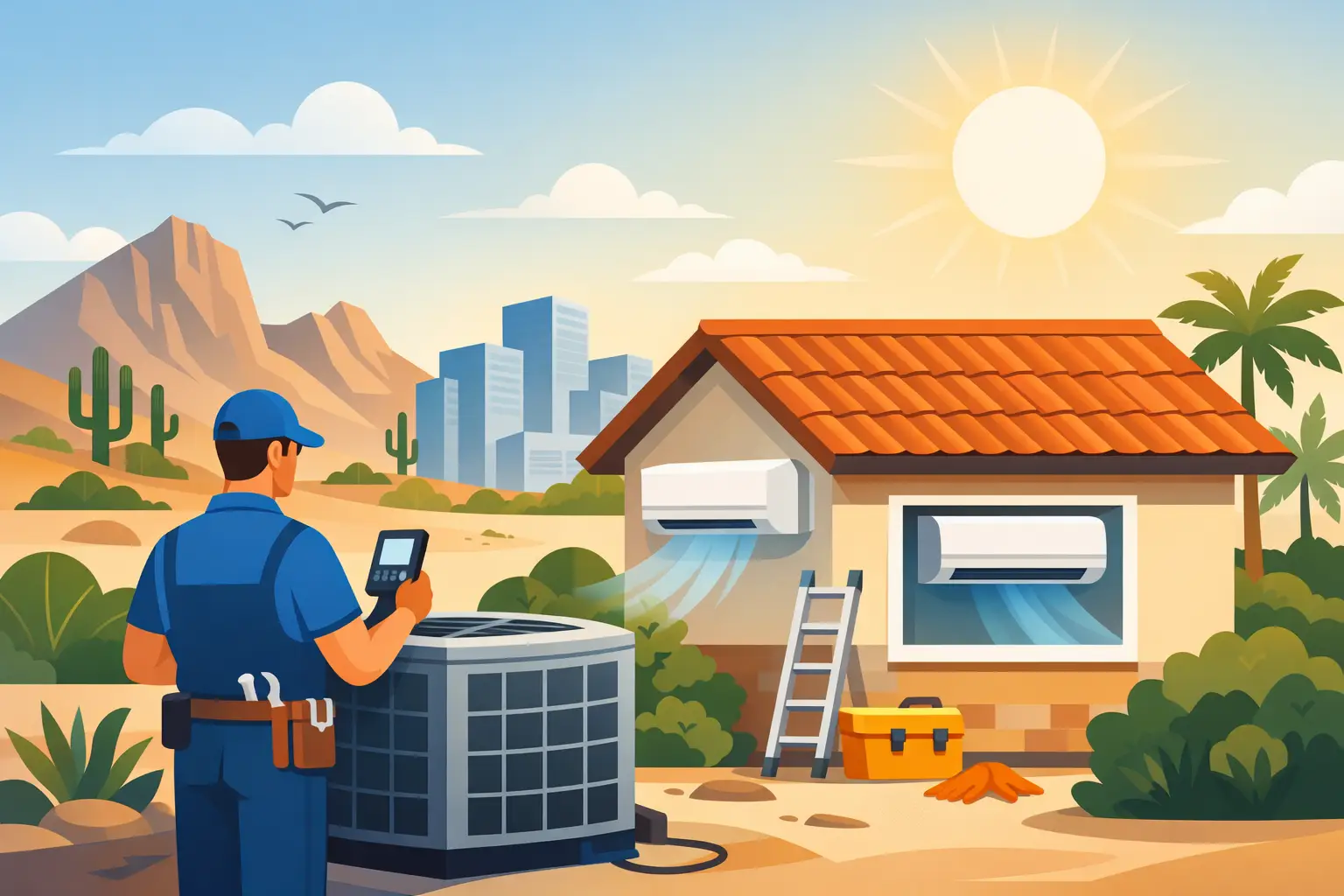
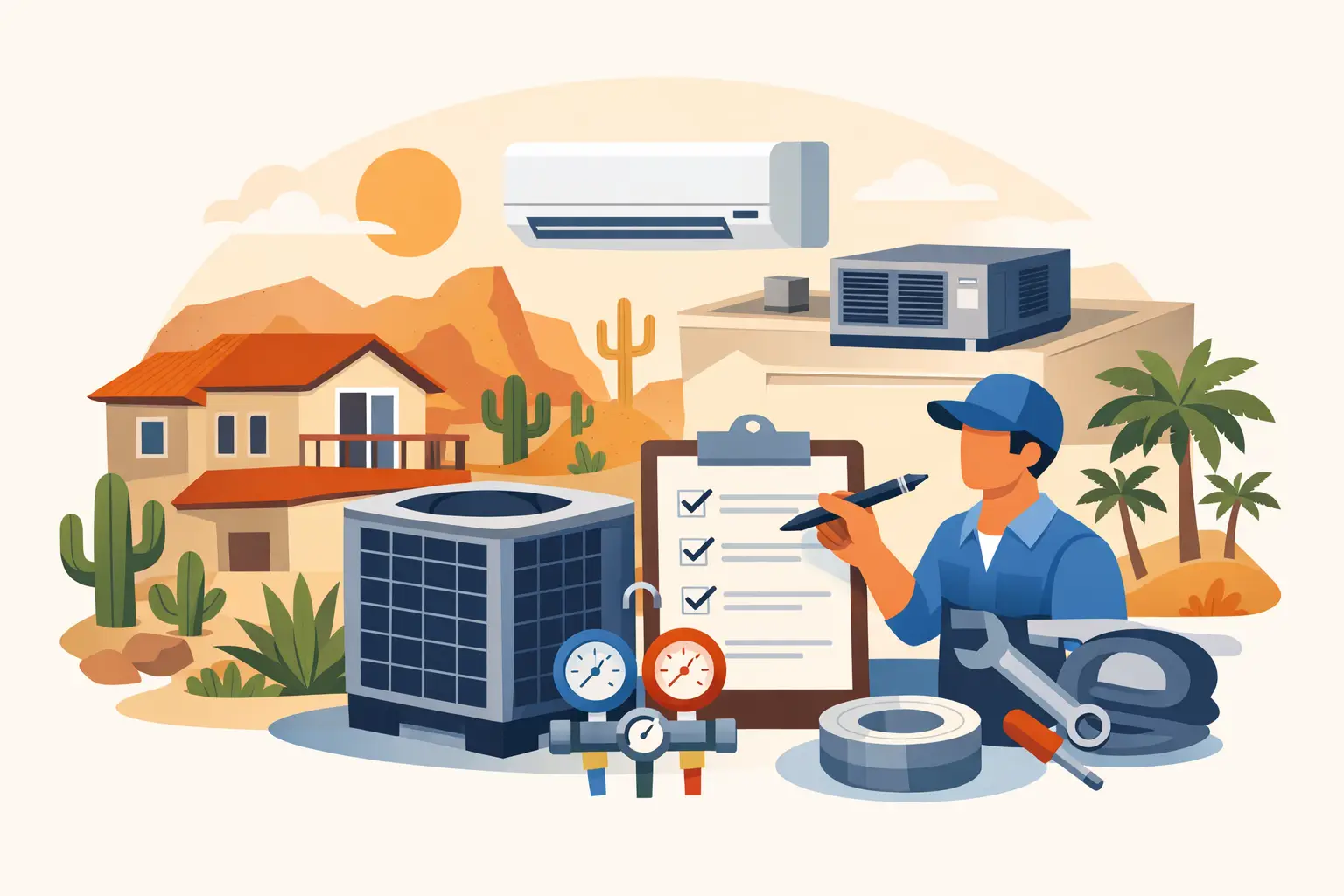
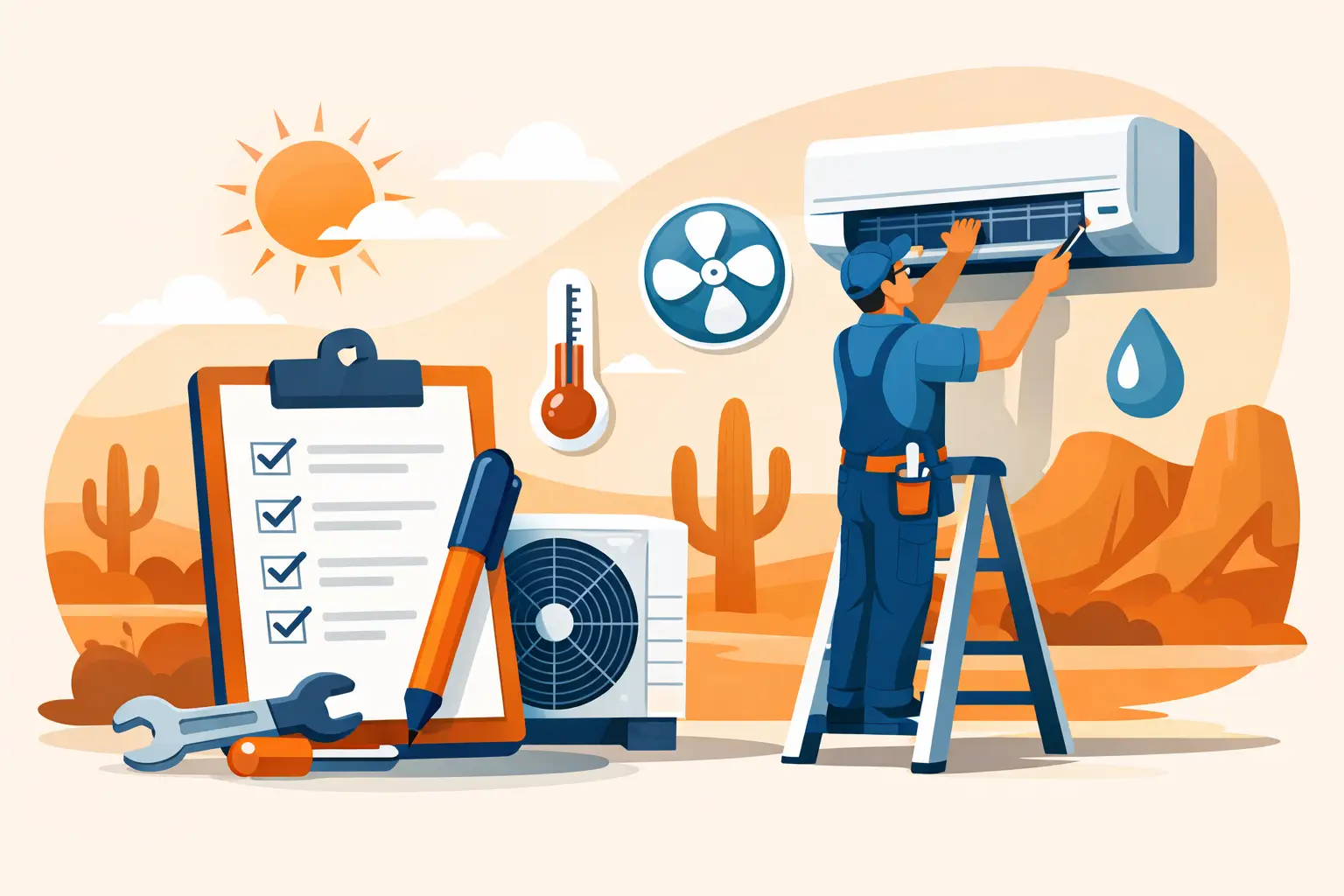
The first 100-degree week in Tempe is a bad time to find out that your air conditioner is struggling. When a system has been sitting through the cooler months, small issues such as a clogged filter, weak capacitor, dirty coil, or blocked drain line can turn into a no-cooling call once summer demand arrives. Knowing how to prepare your AC for summer gives you time to address those issues before your home, tenants, or customers are dealing with Arizona heat.
A little preparation cannot guarantee that an older unit will never fail. It can, however, reduce avoidable strain, improve day-to-day comfort, and help you make an informed decision if your equipment is nearing replacement age.
Start Before the First Major Heat Wave
In Maricopa County, it makes sense to inspect and service cooling equipment in early spring rather than waiting for summer to officially begin. Your AC may still run during mild weather, but it does not face the same long, demanding cycles it will see in June, July, and August. That gives a technician a better opportunity to identify a developing problem without the urgency of a breakdown.
Turn the system on and let it run long enough to confirm that cool air is coming from the supply vents. Listen for rattling, buzzing, grinding, or repeated clicking. Check whether some rooms are noticeably warmer than others and whether the thermostat reaches the setting without running continuously.
If the system does not cool, trips a breaker, produces unusual odors, or makes new noises, shut it down and arrange for professional service. Continuing to operate a failing unit can damage components that may otherwise have been repairable.
How to Prepare Your AC for Summer at Home
Homeowners and property managers can handle several basic tasks safely. These steps do not replace a full maintenance visit, but they help the system breathe and make it easier to spot concerns early.
Replace the Air Filter
A clean filter is one of the simplest ways to support airflow. A dirty filter makes the blower work harder and can reduce the volume of cooled air moving through the home. Restricted airflow may also contribute to frozen evaporator coils, uneven temperatures, and higher operating costs.
Check the filter size and airflow rating recommended for your system. Very high-efficiency filters can be useful in the right application, but an overly restrictive filter may create problems for some residential systems. If you are unsure which filter is appropriate, ask an HVAC professional during maintenance.
For most homes, inspect the filter monthly during peak cooling season. Replacement timing depends on the filter type, pets, dust levels, household occupancy, and how often the system runs. In Arizona, a filter that looks fine after a mild month may load up quickly during a dusty stretch or heavy summer use.
Clear Space Around the Outdoor Unit
Your outdoor condenser needs open space to release heat. Leaves, grass clippings, weeds, stored items, and landscaping can trap heat around the cabinet and make the equipment work harder than it should.
Remove loose debris from around the unit and keep plants trimmed back. Do not use a pressure washer on the condenser coil or bend the thin metal fins. These coils are easily damaged, and bent fins restrict airflow. If the coil is visibly coated with dirt or cottonwood-like debris, professional cleaning is the safer choice.
Also look for signs of trouble near the unit: damaged insulation on refrigerant lines, oil residue, a cabinet that is unusually loud, or a fan that does not start smoothly. These are not do-it-yourself repairs, but they are useful details to report when scheduling service.
Check Thermostat Settings and Batteries
Confirm that the thermostat is set to cool and that the fan is set to Auto rather than On. With the fan left on continuously, it may circulate warm air between cooling cycles and make indoor humidity or comfort concerns more noticeable.
Replace batteries if your thermostat uses them, and make sure the display is responding correctly. If you use a programmable or smart thermostat, set a realistic schedule before the hottest weather arrives. Raising the temperature modestly when a home is empty can reduce runtime, but turning the system off completely during an Arizona summer day can force it to work extremely hard to recover later.
A comfortable setting varies by household, insulation, window exposure, and equipment condition. The goal is a steady, reasonable temperature, not dramatic daily changes that create unnecessary strain.
Do Not Ignore Drainage and Airflow Warnings
Air conditioners remove moisture as they cool. That moisture drains through a condensate line, and a blockage can lead to water damage, indoor shutdowns, or emergency service calls. In many homes, the first warning is water near an indoor air handler, a drain pan issue, or a safety switch that turns the system off.
Check the area around accessible indoor equipment for water, staining, or musty odors. If your system has a visible drain termination, watch for normal drainage while the AC is running. Do not pour harsh chemicals into the line or dismantle indoor components unless you know how the system is configured. A proper maintenance visit can include clearing the drain, checking the safety switch, and inspecting the pan.
Pay attention to airflow from room to room as well. Closed or blocked supply vents, furniture placed over return grilles, and crushed flexible ductwork can all affect comfort. Keep return grilles clear and avoid closing numerous vents in an effort to force more air into selected rooms. Central HVAC systems are designed around balanced airflow, and restricting too many vents can create pressure problems.
If one area of the house remains hot while the rest cools normally, the cause could be duct leakage, insulation, sun exposure, a zoning issue, or equipment capacity. The answer depends on the home. A technician should evaluate the full system before recommending a repair or replacement.
Schedule Professional AC Maintenance
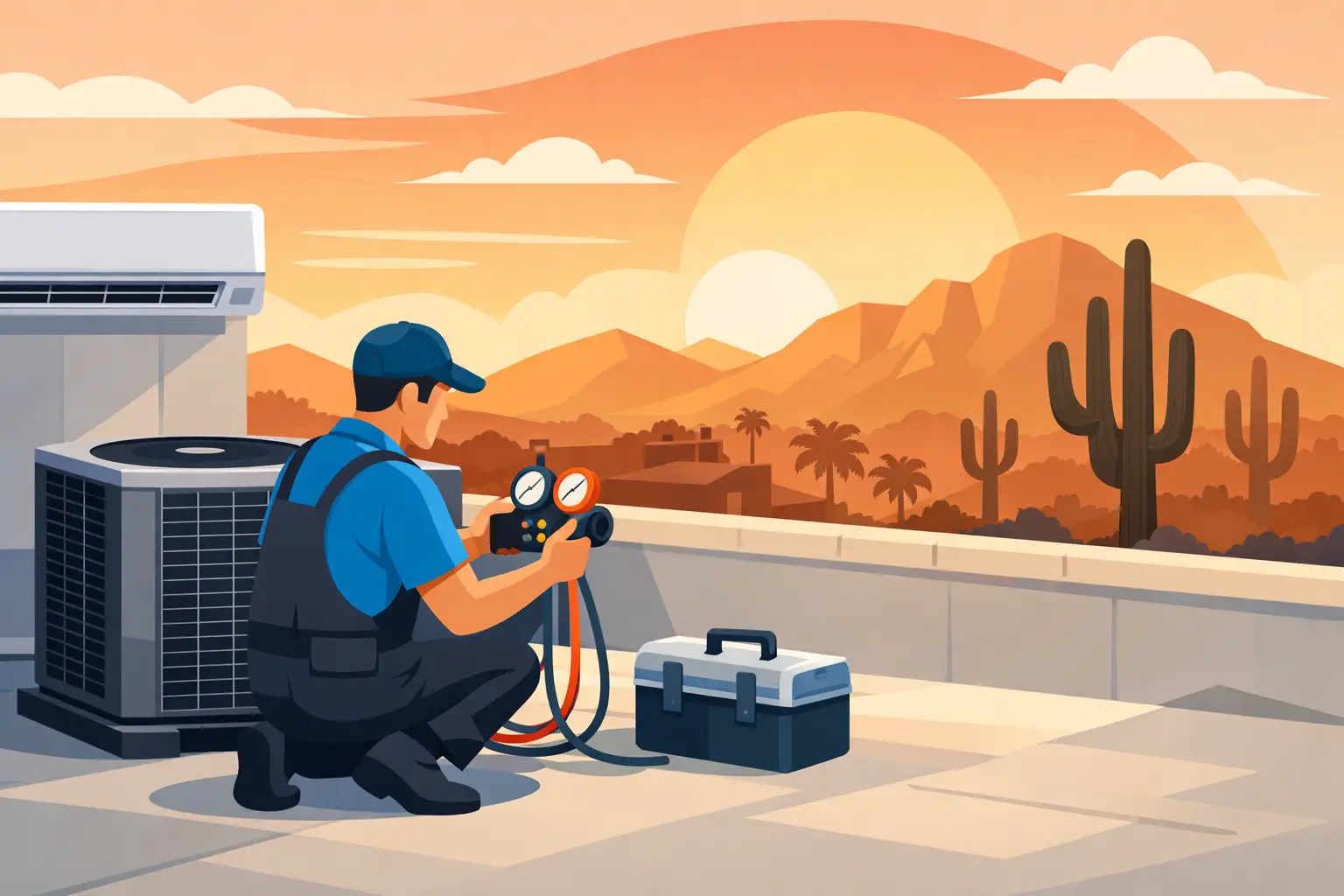
A professional pre-summer tune-up goes beyond changing a filter. A qualified technician can inspect electrical connections, test capacitors and contactors, check refrigerant performance, examine blower operation, clean components as needed, verify temperature split, and look for wear that could lead to a midsummer failure.
This matters especially for systems that are more than 10 years old, have needed repeated repairs, or struggled to maintain temperature last year. Maintenance may reveal that a relatively small repair will help the unit through another season. In other cases, it may show that an aging system is becoming unreliable or inefficient enough that replacement planning makes more financial sense.
There is no one age at which every air conditioner should be replaced. Usage, installation quality, repair history, maintenance, and Arizona heat all affect service life. A dependable contractor should explain the condition of your equipment clearly, outline practical options, and let you decide based on the facts.
SMW Refrigeration & Heating has served Tempe and Maricopa County since 1964, providing maintenance, repairs, and replacement guidance for homes and light commercial properties. For property owners, early service also helps reduce the risk of tenant complaints and avoidable downtime during the busiest part of the cooling season.
Watch for Problems Once Summer Arrives
After your AC is prepared, keep an eye on changes in performance. A system that suddenly runs longer, cools unevenly, blows warm air, or causes an unexpected increase in utility use deserves attention. Waiting until it stops completely can turn a manageable repair into an after-hours emergency.
During extreme heat, give the system a fair chance to maintain comfort. Keep exterior doors and windows closed, use blinds or curtains on sun-facing windows, and avoid adding unnecessary heat indoors during the hottest afternoon hours. Ceiling fans can make occupied rooms feel more comfortable, but they do not lower the actual room temperature, so turn them off when no one is there.
For rental homes and small commercial spaces, establish a clear reporting process before summer. Tenants and staff should know to report poor cooling, water near equipment, unusual noises, or electrical concerns promptly rather than waiting for conditions to worsen.
A prepared air conditioner is not just about avoiding inconvenience. In a Tempe summer, it supports safer indoor conditions, protects your property, and gives you more control over repair decisions. Take care of the basics now, and address early warning signs while you still have options.
Need HVAC Service?
Call SMW Refrigeration & Heating for expert service throughout Maricopa County.
Call (602) 992-1930Related service
Ductwork & duct sealing services →