How to Reduce Cooling Bills in Arizona Heat
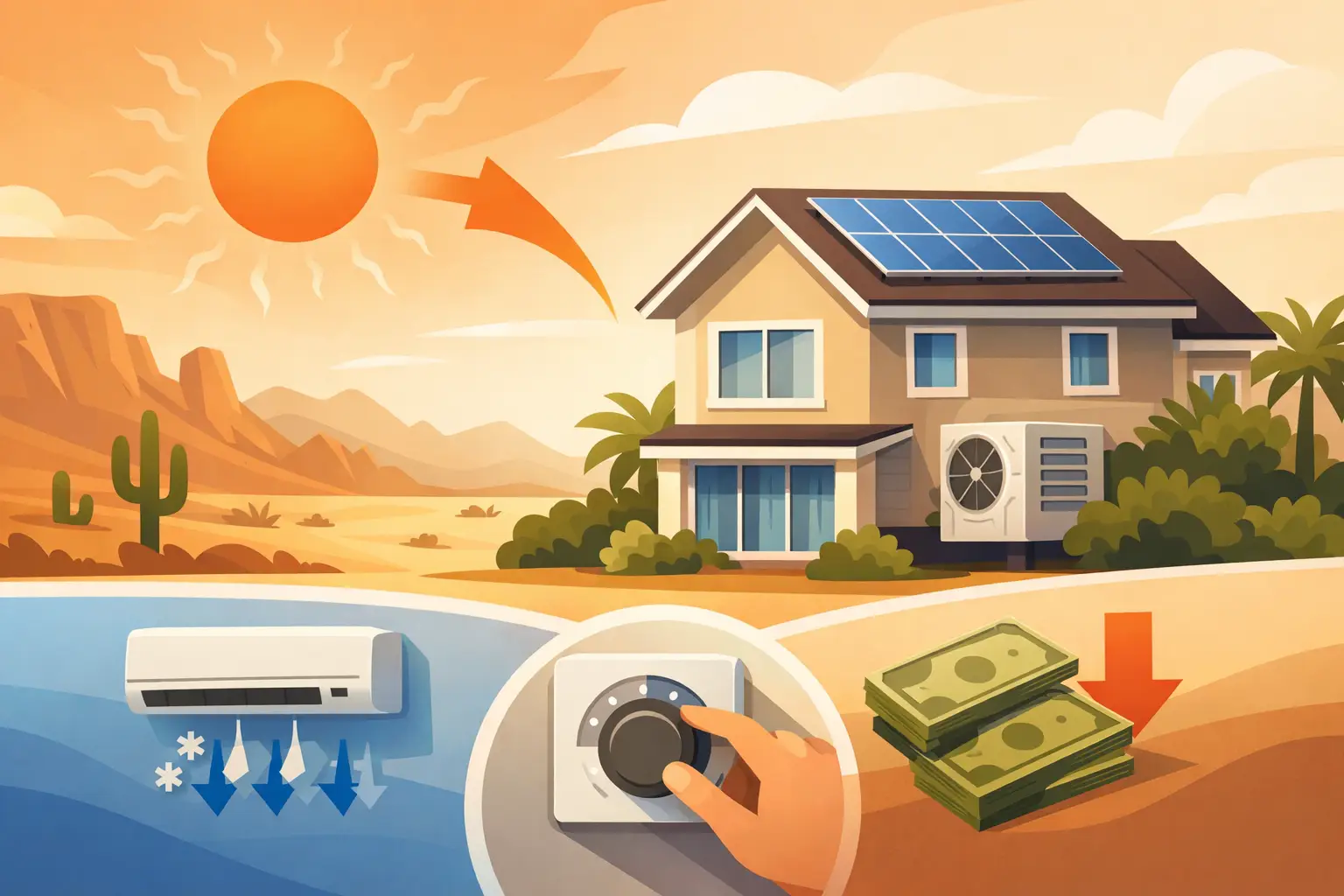
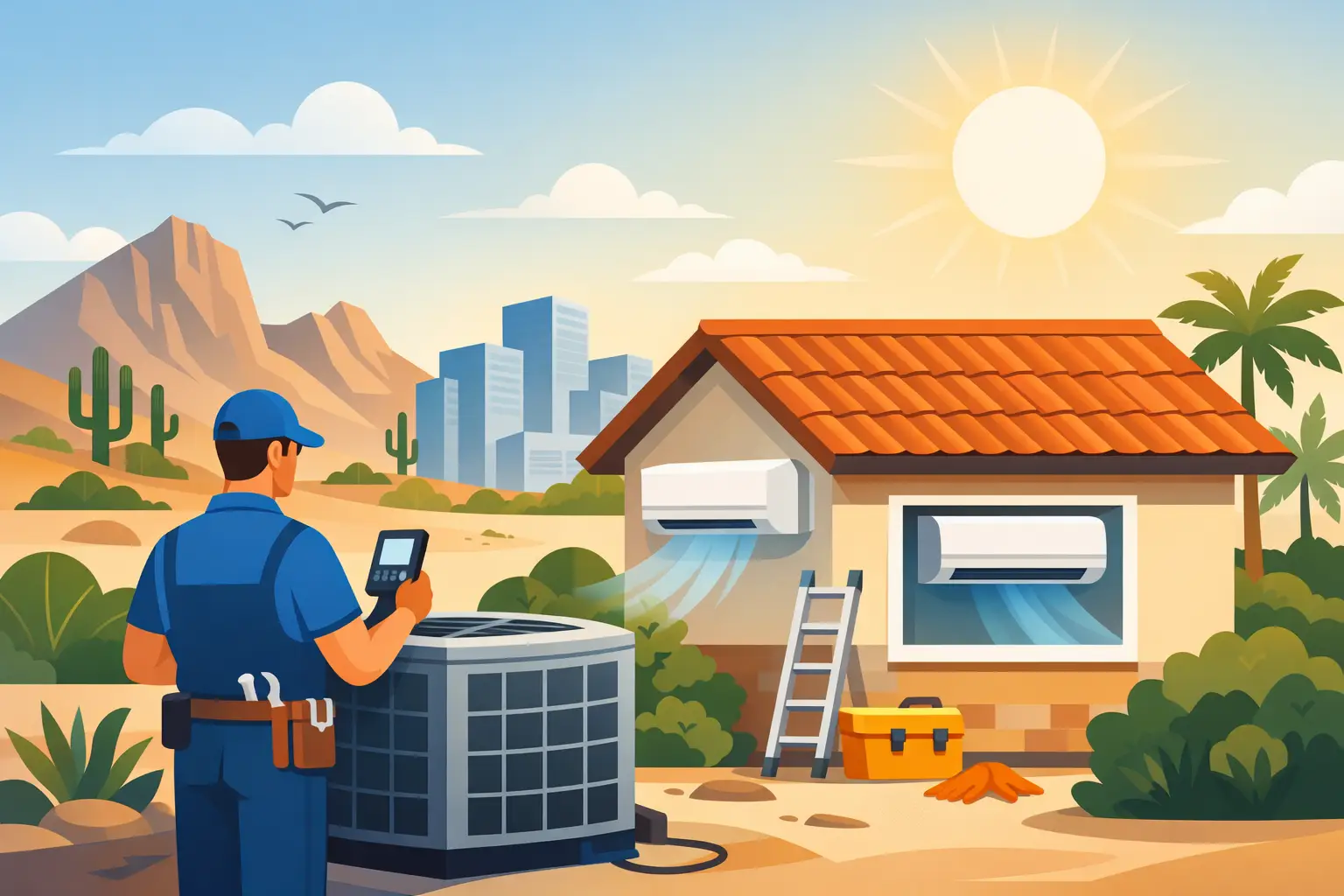
When a Tempe summer afternoon pushes past 110 degrees, your air conditioner has a hard job to do. Knowing how to reduce cooling bills is not about turning the system off and hoping for the best. It is about keeping conditioned air where it belongs, reducing unnecessary heat inside the building, and making sure the equipment can do its work efficiently.
For homeowners, landlords, and small business owners across Maricopa County, small changes can make a noticeable difference. Some are simple habits. Others require an HVAC inspection or a repair that prevents a minor issue from becoming an expensive breakdown.
How to Reduce Cooling Bills Without Giving Up Comfort
The lowest thermostat setting is not always the answer. In Arizona, an air conditioner may run for long stretches during peak heat even when it is working properly. The goal is to reduce how much heat enters the home or building and avoid asking the system to recover from extreme temperature changes.
Start with a realistic thermostat setting. Many households are comfortable around 76 to 78 degrees when they are home. Raising the setting a few degrees while the house is empty can reduce runtime, but avoid setting it dramatically higher for a short workday. If indoor temperatures climb too far, the system must run much longer to bring them back down when everyone returns.
A programmable or smart thermostat can help maintain a consistent schedule. The best schedule depends on occupancy, pets, insulation, window exposure, and the age of the AC system. A home with west-facing windows and a busy household may need a different approach than a well-shaded office that closes at 5 p.m.
Ceiling fans are also worth using, but they need to be used correctly. A fan cools people, not rooms, by moving air across the skin. Run fans counterclockwise during cooling season and turn them off when the room is empty. Leaving fans on in vacant rooms adds electricity use without lowering the temperature.
Keep Heat Out Before Your AC Has to Remove It
Arizona sun can turn windows, roofs, garages, and exterior walls into major sources of indoor heat. Reducing solar heat gain is often one of the most practical ways to lower cooling demand.
Close blinds, shades, or curtains on sun-facing windows before the strongest afternoon heat arrives. Cellular shades, solar screens, and properly fitted window coverings can be especially helpful on west- and south-facing glass. Exterior shade is generally more effective than interior shade because it stops sunlight before it reaches the window.
Check weatherstripping around exterior doors and inspect window seals for visible gaps. Leaks may seem minor, but hot outdoor air can enter continuously while cooled air escapes. Door sweeps, caulk, and weatherstripping are relatively modest improvements that can support better comfort in rooms that always seem warmer than the rest of the house.
Do not overlook the attic. Insulation slows heat transfer from a hot roof into the living space, and inadequate attic insulation can force an air conditioner to run longer throughout the day. Attic ventilation, duct condition, roof color, and insulation levels all play a part. The right improvement depends on the building, so it is worth evaluating the full picture rather than assuming one upgrade will solve every comfort issue.
Give Your Air Conditioner the Maintenance It Needs
A cooling system that is dirty, restricted, or low on refrigerant can use more energy while delivering less comfort. Regular maintenance is one of the most reliable ways to control cooling costs because it addresses efficiency and helps identify wear before a failure occurs in the middle of summer.
Replace or clean the air filter on the schedule recommended for your system and household. In many Arizona homes, that means checking it monthly during heavy cooling season. Filters may need more frequent attention when there are pets, construction dust, smokers, or high occupancy. A clogged filter restricts airflow, which makes the system work harder and can contribute to frozen coils or unnecessary strain on components.
Keep the outdoor unit clear. Remove leaves, grass clippings, stored items, and overgrown plants from around the condenser. The unit needs room to release heat. Do not cover it while it is running, and do not spray the fins with a high-pressure nozzle, which can bend delicate metal fins and reduce airflow.
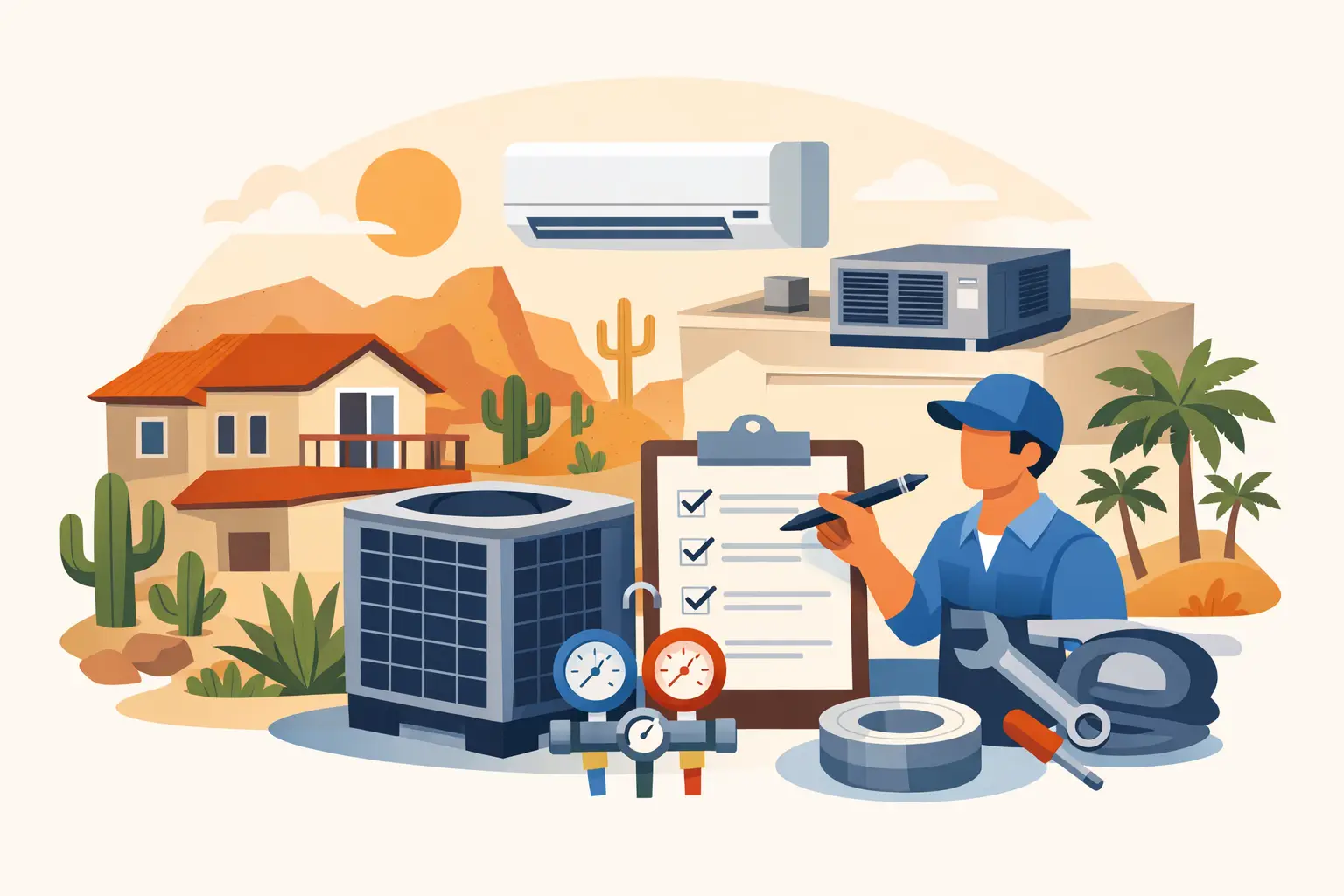
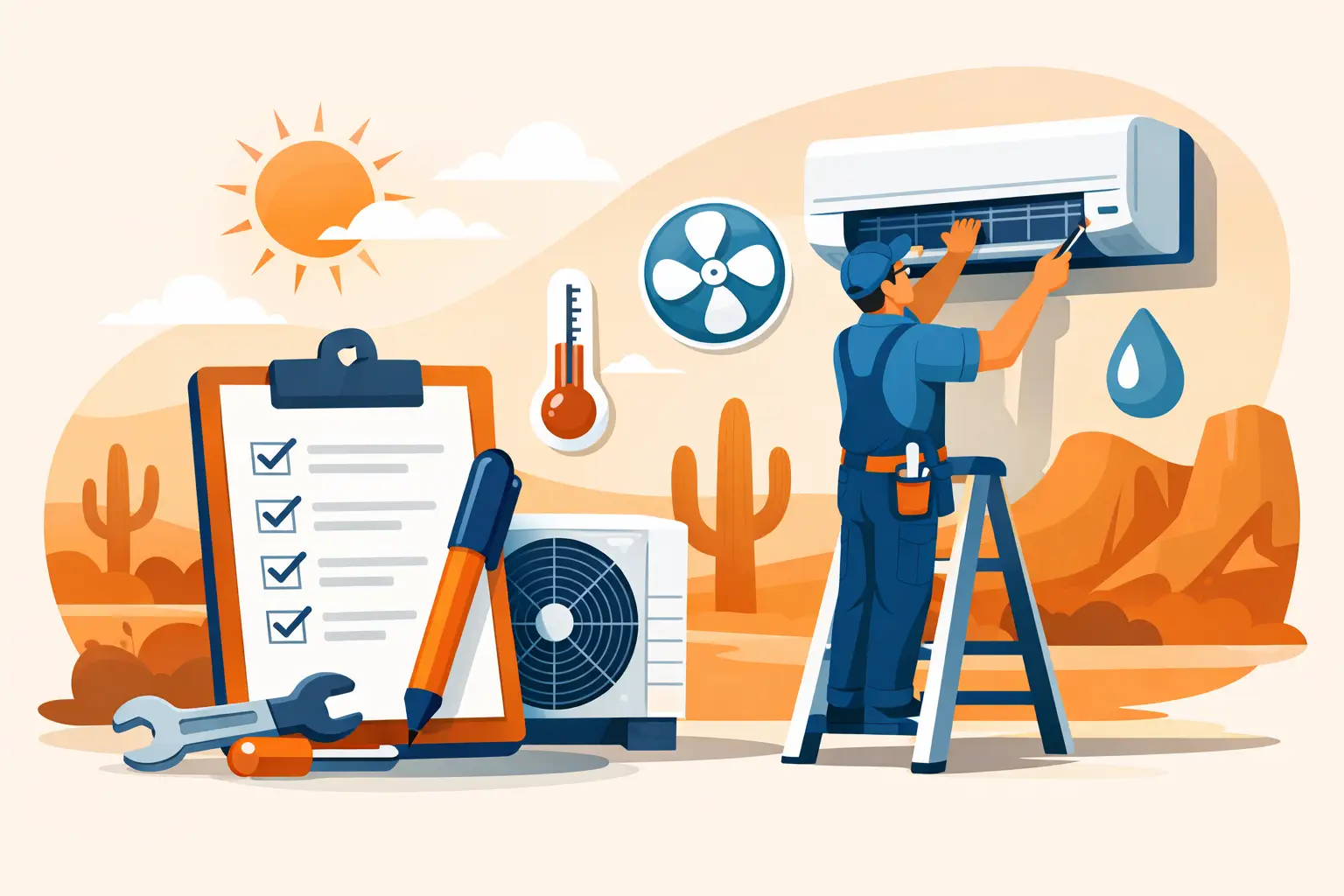
Professional maintenance goes beyond a filter change. A qualified technician can inspect electrical connections, test capacitors, check refrigerant performance, clean coils when needed, confirm airflow, and look for drainage problems. These details matter because an air conditioner can appear to be running while quietly losing efficiency.
Warning signs that deserve prompt attention include weak airflow, warm air from supply vents, frequent cycling, new noises, water near the indoor unit, uneven room temperatures, or a sudden jump in utility costs. Waiting can turn a manageable repair into a system failure during the hottest part of the year.
Look for Airflow and Duct Problems
If some rooms are comfortable while others stay hot, the thermostat may not be the real problem. Poor airflow, leaking ducts, undersized returns, blocked vents, or an improperly balanced system can make the AC run longer than necessary.
Make sure supply vents and return grilles are open and not blocked by furniture, rugs, curtains, or boxes. Closing multiple vents in an effort to push more air into another room can increase static pressure and create new problems. It is better to identify why a room is not receiving enough conditioned air.
Duct leaks are common in attics, garages, and other unconditioned spaces. When cooled air escapes before reaching a room, the system must operate longer to meet the thermostat setting. Leaky return ducts can pull very hot attic or garage air into the system, adding a major cooling load. Duct sealing and insulation can be valuable improvements, particularly in older homes.
For rental properties and small commercial spaces, airflow complaints should be investigated early. A tenant who reports one hot bedroom, a warm office, or a constantly running AC may be identifying an issue that will become more costly if it is ignored.
Reduce Indoor Heat From Everyday Activities
Some heat sources are easy to miss because they are inside the home. Ovens, dryers, dishwashers, lighting, and electronics all add heat that the air conditioner eventually has to remove.
Use kitchen exhaust ventilation when cooking, especially when using the oven or stovetop. During the hottest hours, consider grilling outdoors, using a microwave, or preparing meals that do not require prolonged oven use. Run the dishwasher and dryer during cooler morning or evening periods when practical, but make sure dryer vents are clean and properly exhausted outdoors.
Switching from older incandescent bulbs to LED lighting reduces energy use and cuts unnecessary indoor heat. In a small office, server closet, or retail space, heat from computers and equipment may also need attention. Keeping equipment in a poorly ventilated back room can create a localized hot spot that affects comfort and system runtime.
Know When an Older System Is Costing Too Much
Maintenance can keep a well-designed system operating efficiently, but it cannot make an undersized, oversized, or worn-out unit perform like new. If your AC is more than 10 to 15 years old, needs frequent repairs, struggles to keep up, or causes unusually high bills, it may be time to evaluate replacement options.
A new system should never be selected by square footage alone. Proper sizing requires consideration of insulation, windows, ceiling height, sun exposure, ductwork, occupancy, and the building's actual cooling load. An oversized unit can cool too quickly without properly managing humidity or distributing air evenly. An undersized unit may run continuously in severe heat.
Higher-efficiency equipment can reduce operating costs, but the best choice depends on how long you plan to own the property, the condition of existing ducts, and your budget. Sometimes a targeted repair, duct improvement, or maintenance correction delivers the better value. A dependable HVAC professional should explain the trade-offs clearly rather than push a replacement before diagnosing the system.
Cooling costs are easier to manage when you address problems before the first emergency call of the season. If your system is running longer, cooling unevenly, or showing signs of strain, SMW Refrigeration & Heating can help identify practical next steps for your home, rental property, or small business in Maricopa County.
Need HVAC Service?
Call SMW Refrigeration & Heating for expert service throughout Maricopa County.
Call (602) 992-1930Related service
AC repair & air conditioning service in Tempe →